Burbank council approves shift from net‑energy metering to time‑of‑use ‘net billing’ for new solar customers
Loading...
Summary
The council approved a new solar net‑billing program designed to compensate exported solar energy at the utility’s avoided cost of energy and to grandfather existing systems for a period; the change introduces time‑of‑use pricing and larger allowable system sizes for new installations.
Burbank City Council voted Jan. 14 to replace the city’s long‑standing net energy metering (NEM 1.0) program with a new solar net‑billing structure for customers who install systems after the new program’s launch.
The change shifts the compensation method for exported rooftop solar from a full‑retail kilowatt‑hour credit to a dollar‑based payment tied to the utility’s avoided cost of energy (ACOE), with time‑of‑use (TOU) periods that vary by season and hour. Burbank Water and Power (BWP) staff said existing, interconnected solar systems will be grandfathered into the current NEM rules for up to 20 years unless the owner expands the system or transfers the interconnection (for example, a property sale); new interconnections after the program launch will be enrolled in the net‑billing structure.
Why it matters: The decision is intended to align compensation with BWP’s actual avoided generation costs and to encourage self‑consumption, system sizing for future electrification (BWP will allow up to 150% of a customer’s prior 12‑month use in many cases) and adoption of battery storage. Staff presented a modeled payback difference — roughly six years under the old structure versus about ten under the proposed structure for typical systems using the numbers shown in the staff slide deck — and stressed that the avoided‑cost methodology will be reviewed as market conditions change.
Key elements of the new program - Compensation: Exports will be paid at an avoided cost of energy made up of an avoided generation component (time varying) plus a renewable attribute (the staff presentation used a 1¢/kWh renewable attribute in examples). Examples on staff slides showed export compensation in a range below full retail (the staff slides used sample values in the 5.96¢–10.86¢ range for avoided generation in different periods plus the renewable attribute).
- Time‑of‑use rates: The new design uses TOU periods so that exported energy is credited more during high‑value peak hours (for example, late afternoon summer peaks) and less in off‑peak hours. BWP said the rate structure also encourages customers to pair solar with battery storage so they can discharge during peak hours.
- Grandfathering and treatment of changes: Existing systems interconnected under NEM 1.0 will be grandfathered for up to 20 years unless they make changes that trigger a new interconnection agreement — adding panels above like‑for‑like maintenance is not intended to trigger re‑enrollment. Staff said they will evaluate reasonable exceptions for life events, transfers and maintenance on a case‑by‑case basis and recommended that the general manager retain authority to make administrative adjustments to the ACOE methodology as market prices change.
- Construction and process improvements: The program also includes streamlined interconnection steps for small systems (under 10 kW in BWP’s proposal) and raises the maximum size for large commercial systems from 1 MW to 5 MW, while allowing a system oversize up to 150% of prior annual usage to support electrification.
Council debate and public comment Public commenters and council members asked about the effect on payback times, the clarity of communications to customers who already invested in rooftop solar, whether the change would depress future installations and whether the city should offer incentives for battery storage or solar to smooth the transition. BWP staff said the avoided cost figures are based on current market curves and will be revisited; they also said they plan an outreach campaign and an incentive for batteries later in the year to help shorten payback periods.
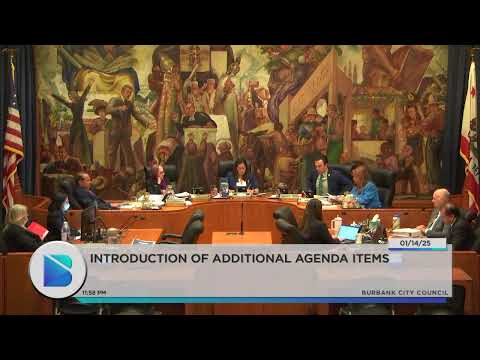
Council action A motion to approve the transition to the solar net‑billing program, adopt the methodology for determining the avoided cost of energy, and vest the BWP general manager with administrative authority to update the methodology passed on a unanimous roll call vote after an amendment clarifying interconnection exceptions and the update schedule.
Next steps Staff will return with implementation details including launch timing (staff projected realistic implementation in late 2025 or early 2026 to allow needed system upgrades), finalize the ACOE methodology consistent with the city’s rate‑making process, and prepare public Q&A materials and contractor outreach so installers understand the new program rules.
Ending: The council’s vote ends Burbank’s 30‑year net‑metering status for new solar interconnections and launches a TOU‑based net‑billing design intended to reflect modern wholesale and renewable markets while preserving existing customers’ expectations for a transition period.