Get Full Government Meeting Transcripts, Videos, & Alerts Forever!
Get email alerts on the Water Utility Services topic
No spam. Unsubscribe anytime.
Frostburg commissioners direct staff to pursue residential leak-insurance pilot with ServLine
Summary
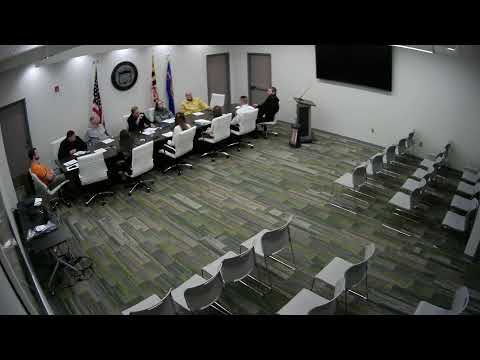
After a presentation from ServLine, Frostburg commissioners agreed to pursue a citywide, residential-only leak adjustment insurance option and target a $1,000 coverage level, keeping existing multifamily adjustments in place, and asked staff to prepare ordinance language for a July start date.
Frostburg commissioners agreed during a work session to pursue a residential-only leak adjustment insurance program administered by ServLine and to begin by offering a $1,000 coverage option to single-family customers.
The decision followed a 30-minute presentation by Ashley Shilwarski, a ServLine representative, who said the program would replace the city’s current ad hoc leak adjustments by allowing customers to file claims directly with ServLine while the policy remains in the city’s name. “Our program…allows them to file a claim directly with us, freeing up your staff time,” Shilwarski said.
Why it matters: Commissioners cited administrative burden and the city’s annual write-offs for leak adjustments as motivating factors. Staff estimated the city’s total leak-adjustment write-offs last year at about $28,000. Under the proposed ServLine model, residents would be billed a separate monthly premium (about $1.70 per month for a $1,000 limit, as presented) and could file one qualifying claim per 12 months when a bill is at least twice the customer’s average usage.
Details of the proposal: ServLine offers tiered coverage limits (examples provided: $500, $1,000, and $2,500) and requires claimants to provide proof that a leak was repaired (a hardware receipt, invoice from a plumber, or similar). Shilwarski said the program pays adjustments over the two highest billing cycles that include the leak and that the company handles the customer intake, verification and sends the adjustment amount directly to the city to be applied as a credit.
Commissioners’ direction and next steps: City staff and commissioners discussed implementation timing and outreach. Commissioner Adam Ritchie (first reference: Commissioner Adam Ritchie) and other commissioners indicated support for starting with single-family residential customers only; the body settled on a $1,000 residential limit as the preferred starting point. Commissioner Kevin Grove asked for confirmation that the program would apply to both water and sewer charges because the city’s sewer billing is tied to water usage; Shilwarski confirmed it would cover both.
Staff were directed to prepare necessary ordinance language and implementation steps (billing insert, enrollment timeline and a proposed July effective date) and to return with exact contract or collections sign-off language for a future meeting. City staff and ServLine noted residents may opt out; ServLine said partners typically see about 94% voluntary retention after enrollment.
What was not decided: Commissioners did not authorize a binding contract at the meeting. The commission’s direction was for staff to move forward with drafting ordinance changes, model language for the billing insert and implementation timeline, and to report back. No formal vote was recorded.
Ending: Staff said they will work with ServLine on a draft timeline and ordinance language, and will bring the item back for formal action when those materials are ready.