Get Full Government Meeting Transcripts, Videos, & Alerts Forever!
Get email alerts on the Investigations topic
No spam. Unsubscribe anytime.
State Department says investigations into alleged incidents will continue; backs journalists' access to Gaza
Summary
The State Department spokesperson said investigations into potential violations of international humanitarian law remain ongoing and will carry to the next administration; the department supports foreign journalists' access to Gaza to gather facts.
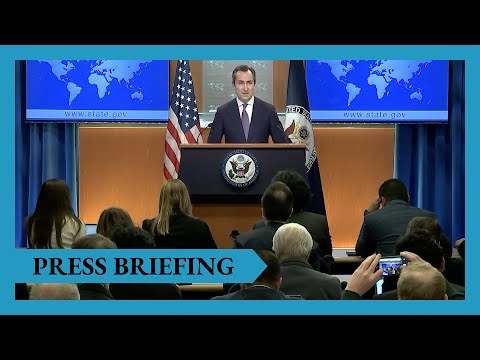
State Department spokesperson Matt told reporters that the department continues to investigate a number of incidents in Gaza and that the obligation to investigate potential violations of international humanitarian law "are not obligations that expire on January 20th" but carry over to any incoming administration.
Matt said the department has issued reports assessing incidents and that "we do believe it's reasonable to assess that there have been instances in which Israel has violated international humanitarian law or its commitments under, Israeli law," while adding that several investigations remain ongoing and that final findings depend in part on Israeli inquiries.
On reporting from Gaza, Matt said the department has long supported allowing foreign journalists to operate inside Gaza and that officials "have wanted foreign journalists to be able to get into Gaza already" so they can bring facts to light, though he also acknowledged the security risks journalists face.
When asked whether conclusions from investigations will be transmitted to the next administration if not completed before the change of government, Matt said he expected so and said the duty to pursue answers for American citizens and victims "is not one that expires" with an administration.
He urged that the collection of facts and any resulting accountability efforts continue and said the State Department would support fact-gathering to the extent possible under security constraints and diplomatic channels.