Get Full Government Meeting Transcripts, Videos, & Alerts Forever!
Get email alerts on the Assisted Living Negligence Contract Appeal topic
No spam. Unsubscribe anytime.
Appeals court hears assisted‑living negligence and contract claims over staffing and care; defendants seek affirmance of summary judgment
Summary
On Jan. 15 the Massachusetts Appeals Court heard argument in Docket No. 24125 over negligence and contract claims against an assisted‑living provider, centered on alleged understaffing and whether plaintiffs met procedural and evidentiary thresholds to defeat summary judgment.
The panel heard oral argument Jan. 15 in Docket No. 24125, Donovan v. SHP 4 Concord River, concerning alleged breaches of contract and negligent care at an assisted‑living facility.
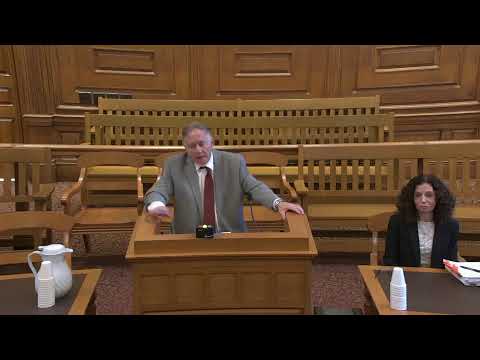
Plaintiffs’ counsel Chris Sopcak argued the facility breached its contract promises — including representations in intake materials — and that staffing shortfalls led to incidents causing harm and emotional distress. Sopcak told the panel the consumer guide and contract attachments should be read together and that affidavits and deposition excerpts submitted in opposition to summary judgment created triable issues.
Appellees’ counsel Joseph M. Desmond, representing BrightView Senior Living LLC and SHP 4 Concord River, countered that plaintiffs failed to comply with Superior Court Rule 9(a) and thus did not timely file required responses to the defendants’ statement of material facts, which the appellees say were therefore deemed admitted. Desmond also emphasized that the arbitration provision in the standard contract was unsigned, that many factual allegations lacked evidentiary support and that, for the negligence claims at issue, expert testimony is required to prove staffing standards for an assisted‑living facility.
The panel questioned counsel about whether plaintiffs’ affidavits supplied substantive evidence, whether there is reported appellate precedent requiring experts for staffing claims against non‑medical residential providers, and whether the consumer guide supplied contractual obligations. The court also asked about discovery disputes and whether the trial court erred in granting summary judgment without additional fact development. Following argument, the court took the case under advisement.