Get Full Government Meeting Transcripts, Videos, & Alerts Forever!
Get email alerts on the Housing Supply topic
No spam. Unsubscribe anytime.
Maryland housing officials say state is underproducing homes, point to new laws and programs to expand supply
Summary
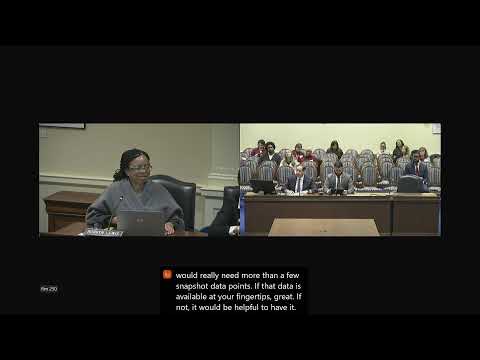
At a House Environment and Transportation Committee briefing, the state Department of Housing and Community Development described rising rents, housing cost burdens, and early implementation of last year's housing laws, and said dozens of affordable projects are in a state pipeline.
Secretary, Maryland Department of Housing and Community Development, told the Environment and Transportation Committee on the state of housing that rents are rising, housing supply is short and state programs are beginning to be implemented.
The briefing focused on why Maryland needs more housing, what the administration says it has done since last year and early signs of projects using newly authorized pathways. "Rents continue to rise," the Secretary said, noting the latest median-rent figures show a double-digit real-term increase since the committee last met.
The presentation stressed the scale of the problem: since 2010 median home value rose from about $300,000 to $413,000 (a 37% increase) and median rents have risen about 46% in the same period. The Secretary cited a current average mortgage rate near 6.9% and said more than half of Maryland renters now spend more than 30% of income on housing; nearly a quarter are severely cost-burdened, paying more than 50% of income toward housing.
Why it matters: the department argued that housing shortage and high housing costs reduce residents' purchasing power, slow economic growth and push young workers out of the state. The Secretary said Maryland underproduces housing by an average of about 5,600 units per year and estimated the state needs roughly 96,000 additional units to meet current demand; the Baltimore–Washington region would need many tens of thousands more to match job growth.
What the administration highlighted as progress: - Housing Community Development Financing Act: went into effect July 1; the board is seated and the agency reported hiring a CEO and obtaining U.S. Treasury certification as a community development entity to pursue new markets tax credits. - Renter's Rights and Stabilization Act: goes into effect Oct. 1; the department said it has launched an online portal, hired two of three staff for the Office of Tenant and Landlord Affairs and is developing a tenants' bill of rights under Attorney General review. - Housing Expansion and Affordability Act (HEAA): the department said it has published implementation guidance (including a 19‑page FAQ), hosted webinars for local governments and identified projects in the permitting pipeline that plan to use HEAA density bonuses. The Secretary said nine of 13 recent low-income housing tax credit (LIHTC) award winners are eligible for additional density under HEAA.
The Secretary said state grant programs remain an essential source of affordable housing production. He reported the department has a pipeline of roughly 85 LIHTC- or Rental Housing Works–funded projects awaiting financing and listed recent budget allocations the administration said support production: $88 million to Rental Housing Works, $10 million to a housing innovation fund and $6 million to the Partnership Rental Housing Program.
Committee members asked how quickly projects would materialize. The Secretary and department staff said most projects remain in design and permitting stages and could take years to deliver units; they promised to track and report specific project locations and impacts to the committee.
The department urged coordination with local governments on permitting, transit‑proximate development and targeted state investment. "We know we have an incredible partner here in the General Assembly," the Secretary said, and asked legislators to continue supporting financing and permitting reforms.
The department's presentation laid out data and early implementation milestones but emphasized that realized unit production will depend on permitting timelines and local cooperation.