Get Full Government Meeting Transcripts, Videos, & Alerts Forever!
Get email alerts on the Community Mental Health topic
No spam. Unsubscribe anytime.
Community Mental Health director warns of Medicaid shortfall, outlines millage role and deficit‑reduction steps
Summary
Dr. Michael Brashears presented an overview of Ottawa County Community Mental Health funding, saying Medicaid revenue declines are creating a projected Medicaid deficit and stressing the role of the county millage and state advocacy to stabilize services.
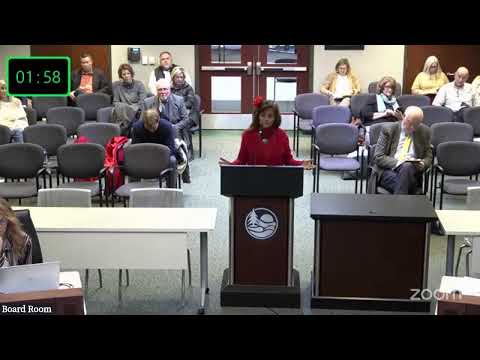
Michael Brashears, director of Ottawa County Community Mental Health (CMH), briefed the committee on Jan. 14 about the department’s structure, funding streams and a multi‑million dollar Medicaid shortfall projected for the current fiscal year.
Brashears said CMH’s total budget — across all funding streams — is roughly $71 million and that the county contributes its statutory 10% county match for a portion of state general funds (he cited the county’s general‑fund contribution at about $450,000). He said Medicaid is the majority of CMH funding and that the county’s per‑person Medicaid funding is lower than many other counties because of the local mix of Medicaid enrollment types (more TANF/income‑based enrollees versus disabled/blind enrollments). That payment methodology, he said, reduces the revenue received per Medicaid enrollee while service obligations remain the same.
Brashears outlined a series of steps CMH has taken or will take to reduce the Medicaid deficit: improving utilization projections and data controls, instituting hiring limitations for non‑revenue positions, monitoring residential and other high‑cost service utilization, adjusting contractual provider rates where possible, and seeking increased regional revenue. He said the department is projecting a Medicaid shortfall near $3 million this year and is pursuing a multi‑pronged strategy to address it.
Brashears described the county mental‑health millage (voter‑approved) as a critical funding source that supplements Medicaid and state funds and preserves services that would otherwise be at risk. He said the millage has supported residential providers and non‑Medicaid services and that the county’s millage is unusual among CMHs in Michigan.
The director also said CMH is building new outcome dashboards to measure quality and effectiveness, will offer commissioner briefings and planned public presentations on how to access CMH services, and intends to press for state changes to how Medicaid funding is calculated. He invited commissioners to schedule a comprehensive review of CMH operations in February.
Commissioners asked for clarification about a recent finance amendment and the timing of deficit‑reduction decisions; Brashears said monthly Medicaid revenue projections drive frequent budget adjustments and that some financial changes will be clearer by midyear. He said the department has about 170 employees and is one of the county’s largest departments by budget and staff.
The briefing was informational; no formal county action was taken at the meeting.