Get Full Government Meeting Transcripts, Videos, & Alerts Forever!
Get email alerts on the Obsolete Rules Report topic
No spam. Unsubscribe anytime.
Department of Revenue outlines annual obsolete‑rules review and update process
Summary
A Department of Revenue attorney described the agency's annual report on obsolete, unnecessary and duplicative administrative rules, explained the internal prioritization process for updates, and noted a streamlined repeal path available under state law for rules identified on the report.
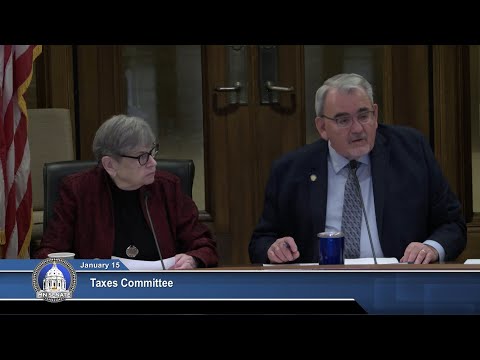
Jim Jordan, an attorney at the Minnesota Department of Revenue, briefed the Senate Taxes Committee on the agency's annual obsolete‑rules report and how the department prioritizes updates.
Jordan said Minnesota's Administrative Procedure Act (chapter 14) requires agencies to submit an annual report listing rules that are obsolete, unnecessary or duplicative of other state or federal law. The Department of Revenue aggregates input from subject‑matter attorneys and taxing divisions, then submits a consolidated report each December.
Jordan summarized how Revenue implements the law: subject‑matter attorneys work with program staff to identify obsolete rule parts and propose timetables for updates; resources and competing priorities determine whether obsolete parts are folded into comprehensive updates or handled through expedited repeal procedures available under 2001 amendments to the statute.
He offered a recent example: a board of assessors rule noted as outdated in the 2023 report was updated in the 2024 report after statutory changes to assessor licensing and education were finalized and the Department completed a rule update.
Why it matters: administrative rules implement statutes and guide taxpayer and staff compliance. Annual review helps agencies retire outdated provisions and prioritize rulemaking work in a resource‑constrained environment.
Committee exchange and context
Jordan explained why a rule might appear on multiple reports: pending statutory changes, the need for stakeholder consultation, or the desire to bundle a repeal inside a broader update can delay final action. He also described several procedural options agencies may use, including the regular rulemaking process, the good‑cause exempt rulemaking process, or the specific streamlined process for obsolete rules created by the 2001 law.
Ending
Jordan closed by inviting committee questions and said Revenue will continue to prioritize rule updates consistent with statutory requirements and available resources.