Get Full Government Meeting Transcripts, Videos, & Alerts Forever!
Get email alerts on the Municipal Challenges topic
No spam. Unsubscribe anytime.
Candidates cite water, state policy and hospital funding as Ridgecrest’s top challenges
Summary
Endicott named groundwater and hospital funding as Ridgecrest’s top challenges; Mayor Eric Bruin said state legislation and mandates are the city’s biggest challenge.
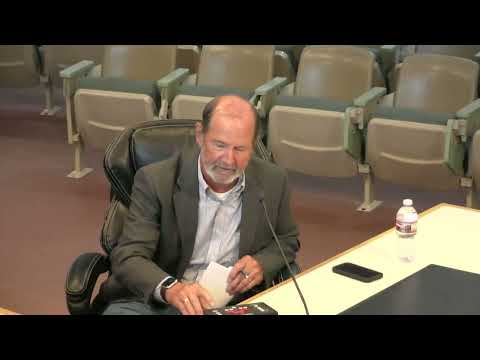
Candidates at the Ridgecrest forum gave differing answers when asked to name the city’s single biggest challenge.
The question matters because how leaders prioritize challenges determines budgeting and engagement with county, state and federal partners.
Travis Endicott said the number one challenge facing Ridgecrest is water: “Without that, we can’t have the new developments. We can’t have the quality of life that we want.” He also named hospital funding and access to care as a close second, warning the community must plan for funding “on day 366” after current short‑term coverage ends.
Endicott spoke of veterans’ health needs and proposed exploring satellite clinics and telehealth sites in town so residents could access VA services locally rather than rely solely on remote video calls.
Eric Bruin said the city’s principal challenge was the state of California and its legislation, which he characterized as a source of many local pressures—from trash‑collection rules to groundwater mandates. “The biggest challenge facing the city of Ridgecrest is the state of California,” Bruin said, connecting state laws and mandates to local costs and regulatory burdens.
Both candidates said they would work with council members and staff; Bruin emphasized continued local investment and engagement with higher levels of government, while Endicott stressed door‑to‑door outreach and community participation to shape priorities.
No formal policy decisions or budget commitments were made during the forum; candidates outlined priorities for a potential next term.