Get Full Government Meeting Transcripts, Videos, & Alerts Forever!
Get email alerts on the Municipal Budget topic
No spam. Unsubscribe anytime.
Knoxville council approves FY2023–24 budget and tax levy after debate over building-permit staffing and housing investment
Summary
The Knoxville City Council approved annual appropriations and a property tax ordinance for fiscal year 2023–24 after members debated adding plan‑review staff, using vacancy savings and how aggressively to fund affordable housing programs.
The Knoxville City Council on first reading approved ordinances making annual appropriations for fiscal year 2023–24 and levying property taxes to fund the city’s general and debt-service funds after more than an hour of discussion about building‑permit staffing and housing investments.
Council members said the budget includes some long‑requested positions to help reduce a backlog in building permits but questioned whether the city was doing enough to respond to an urgent affordable‑housing shortage.
Councilwoman Ryder placed on the record concerns about permitting delays and asked staff how the budget addressed processing backlogs. City staff said the adopted budget includes two new positions and that a prior spring amendment added a third; administration also said it would contract with outside reviewers and press ahead on digitizing plan review to address backlog. Councilwoman Ryder said those steps were welcome but urged the council to re‑evaluate staffing after six months if delays persist.
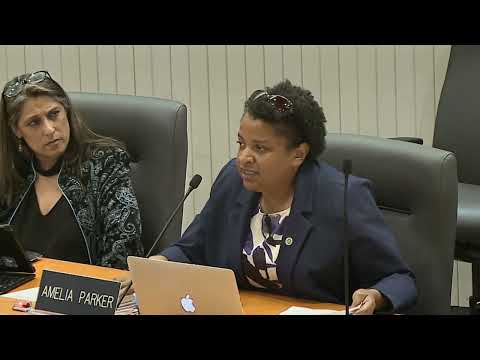
Councilwoman Parker, who had sought extra time before the second vote, said the budget increases housing spending but that Knoxville is still falling short of meeting the scale of the current crisis. "I feel as a city we're missing an opportunity to address some root causes in our community that could actually take the load off of our public‑safety officials," Parker said, urging consideration of more aggressive, one‑time investments such as municipal bonds used elsewhere to accelerate production of affordable units.
Deputy Mayor Aaron Gill framed the administration’s approach as layered: new staff, temporary contracting to address the immediate backlog, and process automation, then reevaluation. Gill also told council that case studies of alternative response and mental‑health services had been reviewed elsewhere in earlier workshops.
Finance Director Boyce Evans explained how vacancy savings flow through departmental budgets and into the unassigned fund balance if unused; council members debated whether to preserve unassigned funds to avoid future tax increases.
The council approved the appropriation ordinance, an accompanying tax levy ordinance and a separate ordinance adjusting classification and compensation plans. Voting was voice; motions carried after the discussion. Specific line‑item and program changes discussed by council — including the addition of three building‑department positions if the package is adopted as presented — will be part of the final adopted budget documents.
Ending: Council members said they expect continued follow‑up from staff on permit processing, and several indicated they may propose budget amendments in coming weeks to increase housing funding or otherwise adjust priorities.