Get Full Government Meeting Transcripts, Videos, & Alerts Forever!
Get email alerts on the Demographics topic
No spam. Unsubscribe anytime.
Ford Analytics warns Chippewa County of aging population, falling births and worker shortages
Summary
Dale Knapp of Ford Analytics told the Chippewa County Board that statewide demographic trends — declining births, aging baby boomers and flat or falling labor-force participation — will put pressure on the workforce and senior care systems; he said Chippewa County is faring somewhat better on net migration but must plan for senior-care and child‑
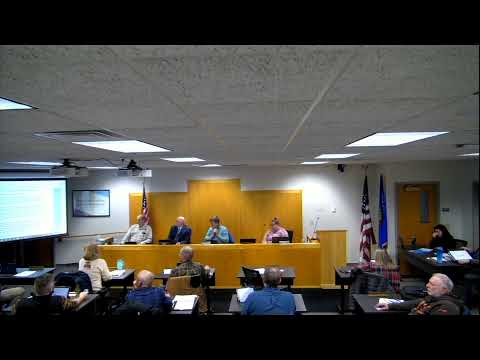
Dale Knapp of Ford Analytics presented a demographic analysis to the Chippewa County Board on Jan. 18, outlining statewide and local trends the firm expects to shape the county’s workforce and public services over the coming decade.
Knapp told the board that since 2010 baby boomers have begun aging past 65 and that births have declined steadily: “The number of births in 2023 was the lowest since 1942,” he said during the presentation. He warned that natural change (births minus deaths) has turned marginally negative in recent years and that older cohorts will drive population and service needs in the near term.
Why it matters: Board members heard that declining young‑person cohorts and falling labor‑force participation could reduce the county’s prime working‑age population and worsen worker shortages, while rapid growth in those 75 and older will increase demand for senior care.
Key findings reported to the board
- Child and youth population: Knapp said the county’s under‑15 population showed only a small decline over the previous decade but is on pace to fall by roughly 1,500 during the coming decade, lowering future workforce supply. - Working‑age decline: He said the county could see approximately 23,100 fewer residents in the 25–64 age group by the end of the decade under current trends, a projection the presentation flagged as likely to depress the labor force if not offset by migration or higher participation. - Net migration and local context: Knapp said Chippewa County has done better than the state in attracting in‑migrants in the most recent period, which helps offset natural decline; he cautioned, though, that the county must sustain migration gains to avoid net population loss. - Labor‑force participation and childcare: Knapp described falling labor‑force participation (noting sharp declines among 35–44 year olds in Wisconsin), and he linked child‑care scarcity and affordability to those participation decisions. He recommended the public and private sectors pursue cooperative solutions to child‑care supply. - Senior care demand: Knapp highlighted a projected 40% increase among residents 75 and older in the coming decade and stressed the need to plan workforce and facility capacity for elder services.
Board reaction and follow up
County Administrator Randy Schultz introduced Knapp and said the presentation built on statewide conference work and prior county discussions. Several supervisors asked for follow‑up materials; Knapp said Ford Analytics will publish a short “spotlight” on the declining youth population and planned further county‑level projections using newly released state population data.
Ending: The presentation framed the county’s long‑range fiscal and service planning challenge: maintaining a workforce and care network as births remain low and an aging population increases demand for senior services.