Get Full Government Meeting Transcripts, Videos, & Alerts Forever!
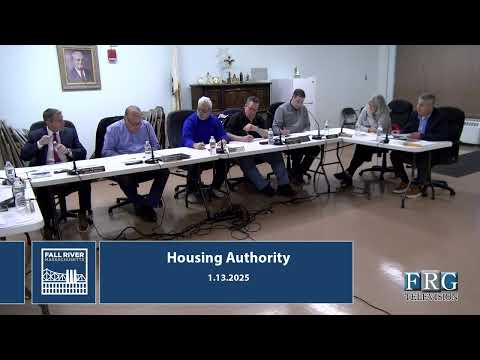
Fall River Housing Authority hears staffing and wait‑list concerns; approves contract awards and waivers
Summary
The Fall River Housing Authority received an operational update on staffing and resident services and discussed persistent, roughly year‑long wait times for subsidized housing while approving multiple procurement and planning items and moving into executive session for collective bargaining.
The Fall River Housing Authority on an unspecified January date heard an update from its executive director on staffing and resident services, continued concerns about a roughly year‑long wait for subsidized housing, and approved multiple procurement and planning actions before moving into executive session to discuss collective bargaining.
The executive director said the authority hired a custodian and an accounting clerk and will interview additional public‑housing clerks to support field operations. Resident‑services programming includes a piano class scheduled to begin at Sunset Hill Community Hall with about 10–11 residents signed up, the director said. The director also reported that the authority had held a public hearing on its annual plan and five‑year plan and said the board would submit the plans to HUD and EOHLC following tonight’s vote.
Why it matters: commissioners and staff described a persistent mismatch between demand and fixed public housing inventory, which board members said is driving long waits and increased local homelessness. The board approved contracts, waivers and plan submissions that affect operations and capital work and then voted to go into executive session for collective bargaining under state open‑meeting law.
Board and staff described wait‑list pressures and operational constraints. The executive director said average wait times are difficult to state precisely but estimated that, before the COVID pandemic, elderly applicants typically waited three to six months and that recent pressures have pushed waits to about a year. The director said the elderly wait list was “probably 1,000 to 1,100” several months ago and “closer to 1,500 now,” and warned that a lack of inventory and third‑party vetting (FBI background checks, landlord references) are…
Already have an account? Log in
Subscribe to keep reading
Unlock the rest of this article — and every article on Citizen Portal.
- Unlimited articles
- AI-powered breakdowns of topics, speakers, decisions, and budgets
- Instant alerts when your location has a new meeting
- Follow topics and more locations
- 1,000 AI Insights / month, plus AI Chat