Get Full Government Meeting Transcripts, Videos, & Alerts Forever!
Get email alerts on the Housing Landlord Regulation topic
No spam. Unsubscribe anytime.
Committee advances short‑term rental ordinance to first reading; members ask for insurance and neighbor notification tweaks
Summary
The committee voted to pass a proposed ordinance governing short‑term rentals through first reading, directing staff to draft an insurance requirement and other clarifications before second reading.
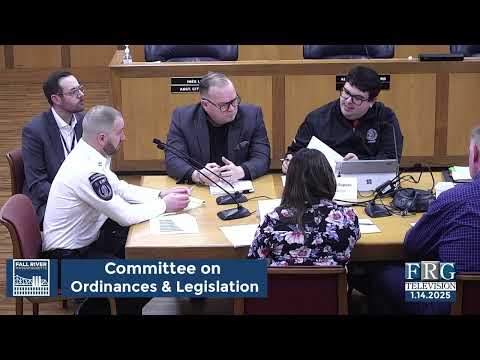
The committee on Nov. 17 voted to pass a proposed ordinance regulating short‑term rentals (Airbnb/VRBO style) through its first reading and asked the city solicitor to add an insurance requirement and related clarifications for second reading.
Corporation Counsel Rumsey said the city currently lacks specific zoning language addressing short‑term rentals and that the draft ordinance is designed to permit such rentals under strict rules to protect neighborhoods and collect taxes. “This ordinance is a mechanism to allow short term rentals in Fall River because they're currently not allowed,” Rumsey said, and described options used by other cities, including owner‑occupancy rules and limits on the number of guest occupants.
The draft ordinance presented to the committee would, as drafted, require primary‑residence owner occupancy for at least nine months of the year to qualify (allowing up to three months of short‑term rental use), exclude single‑family homes from eligibility by default, limit guests (the draft lists up to eight guests) and require annual certification and local registration. Rumsey noted the state classifies short‑term rentals similarly to hotels for tax purposes; Fall River’s hotel tax stands at 4 percent and would apply by default.
Councilors and staff discussed enforcement and tax collection. Rumsey said many short‑term rentals operating in the city appear to be unregistered and staff has not collected local tax revenue from them; platforms like Airbnb have offered to cooperate in other jurisdictions but cities must build registration and enforcement mechanisms first.
Several councilors pressed for an insurance requirement and building/fire safety checks. Councilor Posey asked the solicitor to draft an insurance provision similar to commercial limits; Rumsey agreed to prepare a proposed amendment for second reading. Councilor Kadeem raised the idea of public notice to abutters; Rumsey said typical practice is post‑certification notification rather than a pre‑certification hearing, though variances would still present abutter notice and hearing opportunities.
The committee voted to pass the ordinance through first reading by voice vote, with members asking administration and counsel to return with language on insurance, clarified owner‑occupancy timing, and enforcement and tax‑collection mechanics for the second reading.
Votes at a glance Motion: pass proposed short‑term rental ordinance through first reading. Motion seconded; voice vote “Aye.” Outcome: passed (first reading).