Get Full Government Meeting Transcripts, Videos, & Alerts Forever!
Get email alerts on the County Budget topic
No spam. Unsubscribe anytime.
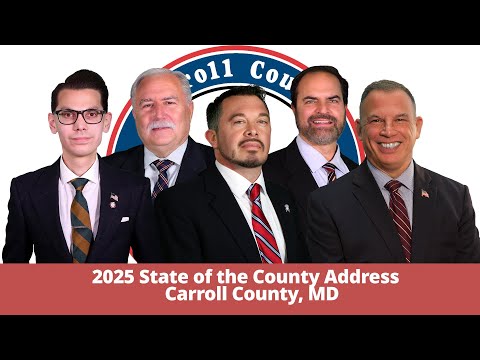
Carroll County leaders outline budget gap and rising EMS costs, call for public input on priorities
Summary
Commissioners described a multi-year budget deficit tied to last year's votes and rising emergency services costs, asked residents for ideas and said the county will consider revenue and expenditure options.
Carroll County commissioners said the county faces a multi-year budget shortfall that will require difficult decisions, and they highlighted the rising cost of emergency medical services as a major pressure on county finances.
Commissioner Gordon said a FY26 budget ultimately passed after two votes and left an initial FY26 deficit of about $5.2 million; he warned the county's five-year budgeting projection shows a larger gap if no changes are made. "A budget was passed 3 to 2, and it placed us in a current situation... of a $5,200,000 deficit in FY26," Gordon said, noting that long-term projections could widen the shortfall.
Commissioners described steps used to balance the most recent budget, including delaying projects, reorganizing priorities, cutting long-standing vacant positions and using one-time funds and reserves. They cautioned that relying on one-time funds is not sustainable.
Emergency medical services was identified as a rapidly growing expense. Commissioner Kyler said the combined Department of Fire and Emergency Medical Services now costs about $33 million annually, roughly $25 million more than several years earlier, a number multiple commissioners referenced as a driver of budgetary strain.
Commissioners invited residents to propose ideas to close gaps while protecting core services. "If you have ideas, share them with all of us," Commissioner Gordon said. County officials said options include examining county-owned rental and farm properties for revenue, reassessing fees and charges, and evaluating discretionary programs for potential reduction.
Speakers emphasized the distinction between nondiscretionary costs (public safety, schools, roads) and discretionary spending. Several commissioners said most dollars are nondiscretionary and the amount available for cuts is limited, requiring public judgement about priorities and willingness to accept service changes or revenue increases.
Ending
Commissioners said balancing the budget will require public engagement and hard choices on what services to prioritize. They asked residents to contact elected officials with ideas and said staff will continue to identify potential revenue and efficiency options.