Get Full Government Meeting Transcripts, Videos, & Alerts Forever!
Get email alerts on the Student Achievement Monitoring topic
No spam. Unsubscribe anytime.
Racine Unified sees elementary math gains, high-school math declines; science results raise equity concerns
Summary
Racine Unified’s math and science monitoring reports show improvement at some elementary grades but declines at the high-school level, and ACT science results prompted board concern about equity across student subgroups.
District education staff presented routine math and science monitoring reports that showed mixed results across grade bands and raised equity concerns for the board.
Math: The district reported gains at several elementary grade levels on the MAP assessments and early indicators, but high school math indicators declined. Presenters said improvements at elementary levels — including targeted literacy and early numeracy efforts — are beginning to show in some grades, but the district continues to struggle with algebra failure rates and the transition to high school math pathways. District staff and board members discussed interventions such as math labs, schedule changes, and capacity-building for teachers to improve algebra outcomes. One board member noted that middle-school math is a strong predictor of later algebra success and urged concentrated work in middle grades.
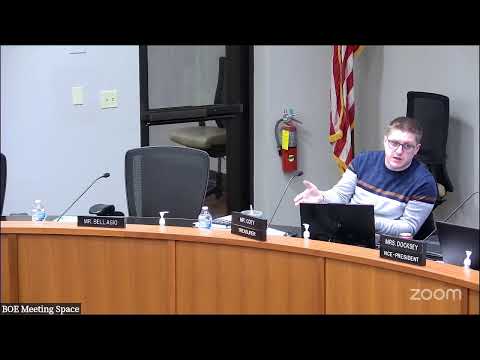
Science: Results were mixed. K–8 science scores showed some progress on the state’s comparable assessments, but college-ready benchmarks on ACT science were especially low for some subgroups. Board member Mister Coe flagged a troubling table showing near-zero college-ready percentages for Black students in ACT science and called for targeted action. District staff agreed the pattern was an equity issue requiring a systemwide approach to course rigor, course access and supports.
Staff said some discrepancies appear between pre-ACT and ACT results in certain grades and subjects, and that analyzing course enrollment patterns, pathway rigor and who is steered into less rigorous course sequences will be a focus of the district’s instructional-capacity work. Leaders said the board will receive a fuller briefing on alignment, pathways and disparities at the upcoming retreat and in subsequent meetings.
Board members asked for additional breakdowns: gender splits, more detailed course-by-course enrollment and failure rates, and a clearer description of interventions (for example, frequency of math instruction, use of math lab vs. double-block scheduling). Staff committed to provide more disaggregated data and to detail proposed actions at the retreat and in follow-up reports.