Get Full Government Meeting Transcripts, Videos, & Alerts Forever!
Get email alerts on the Public Employees Pay topic
No spam. Unsubscribe anytime.
County employees urge larger, retroactive COLA as commissioners defend 2.8% increase
Summary
Dozens of written public comments read into the record urged the Board to reconsider a 2.8% cost-of-living adjustment and asked for retroactive pay to January; commissioners acknowledged employees' concerns while citing budget constraints and prior compensation actions.
PUEBLO — Dozens of Pueblo County employees submitted public comments asking the Board of County Commissioners to increase the recently approved 2.8% cost‑of‑living adjustment (COLA), make the raise retroactive to January and take other steps to improve retention and employee pay.
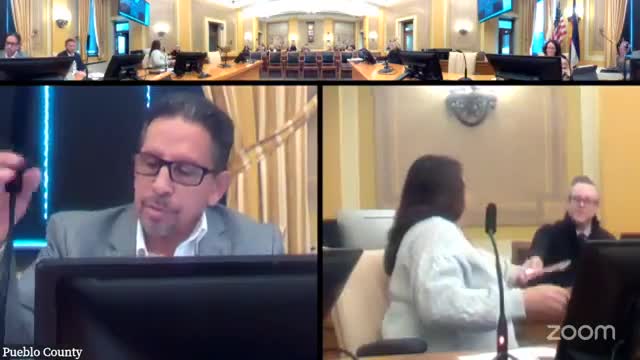
County staff read multiple written comments into the public record during the Jan. 9 land‑use meeting. The comments came from employees across departments and described household strain from higher rent, groceries and insurance, requests for back pay to cover the delayed COLA implementation and calls for step‑based pay or larger increases for lower‑paid staff.
The comments voiced recurring themes: the 2.8% COLA was called insufficient to keep pace with costs, the delayed implementation (stated to begin after Q1) was described as a financial hardship, and many writers described working second jobs to make ends meet. In one read statement, the author said the approved 2.8% “does not make me feel financially safe or appreciated” and urged the board to reconsider. Other statements requested retroactive pay to January for months missed while Workday was implemented.
Commissioners responded in the meeting. Commissioner Zach Swearingen and colleagues acknowledged employees’ hardships and said county leaders attempted to maximize pay increases while balancing statutory obligations and the county’s budget. Commissioners noted they had worked to raise the COLA as high as possible given constraints and encouraged employees to continue engaging with leadership on retention, benefits and other non‑wage improvements. The board also reiterated willingness to consider other non‑monetary benefits and to work with department leadership on pay strategies where feasible.
No formal action was proposed or taken during the land‑use meeting on the COLA topic; commissioners instructed staff and leadership to continue conversations and to provide information on implementation timing and any follow‑up measures.