Get Full Government Meeting Transcripts, Videos, & Alerts Forever!
Get email alerts on the Caregiver Workforce topic
No spam. Unsubscribe anytime.
HCAI-funded caregiver training enrolled about 4,000, presenters say
Summary
Presenters described a Department of Health Care Access and Information (HCAI) grant program, "Caring for Cal," that ran three cohorts, enrolled roughly 4,000 people and helped participants pursue CNA and other caregiving careers; speakers cited national aging trends as the reason for the focus on workforce development.
A program funded by the Department of Health Care Access and Information (HCAI) enrolled roughly 4,000 people and ran three training cohorts aimed at expanding the caregiver workforce, presenters said.
Speakers said the program, described in the meeting as “Caring for Cal,” used HCAI grant funding to cover training costs and to offer multiple cohorts so participants could progress into certified roles. “It just so happens that the Caring for Cal grant was a grant that allowed us the funding to execute such a program,” one presenter said.
The presenters framed the program as a response to demographic trends. “10,000 to 12,000 people are turning 65 every day in the U.S.,” a speaker said, adding that “half of today’s 5‑year‑olds will live to 100.” They said the country lacks sufficient workforce capacity to meet rising long‑term care needs and that the training pipeline can begin by upskilling unpaid family caregivers and youth who are already providing care at home.
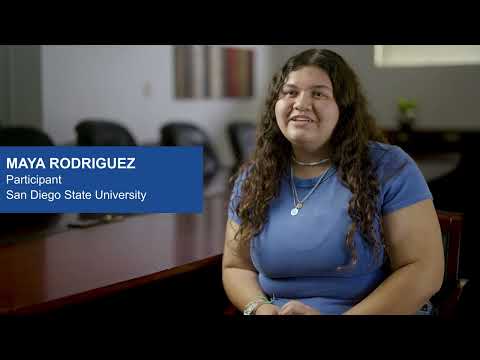
Program details offered during the remarks included running three cohorts of caregiver training and offering a pathway into certified nursing assistant (CNA) positions and other roles. “We actually had 4,000 people sign up for our caregiver training,” a presenter said. Speakers recounted a mother and daughter who completed one of the HCAI grant cohorts and became CNAs, saying the program changed their career prospects.
Presenters emphasized removing cost barriers. “Your income level and how much money you have to pay for training should not limit you on what you can be,” one speaker said, describing the program’s intent to make training accessible. Another said the program aimed to “ignite the spark in health care” and to give participants opportunities to advance from caregiver roles into higher licensed positions.
Speakers also described benefits for individuals currently providing unpaid care: training offered skills they lacked and raised their potential earnings and job prospects. “We tap into the unpaid workforce as a way to deliver training and upskill them so they have an opportunity to make it into a professional career,” one presenter said.
No formal votes or policy actions were recorded in the provided transcript excerpt. Presenters said the program expected to have trained more than 4,000 individuals by next year and framed the effort as workforce development tied to demographic need.
The discussion combined program description, participant testimonials and high‑level demographic justification; specific budget totals, contract partners and a formal timeline beyond “by next year” were not specified in the excerpt.