Get Full Government Meeting Transcripts, Videos, & Alerts Forever!
Get email alerts on the Community Research topic
No spam. Unsubscribe anytime.
HRC seeks student research partners to study housing costs, food access, transportation and guaranteed income
Summary
The commission asked social work classes to research local issues including the effect of rising property taxes on residents with fixed incomes, transportation gaps, food access and ongoing guaranteed income pilot results from Poverty Solutions.
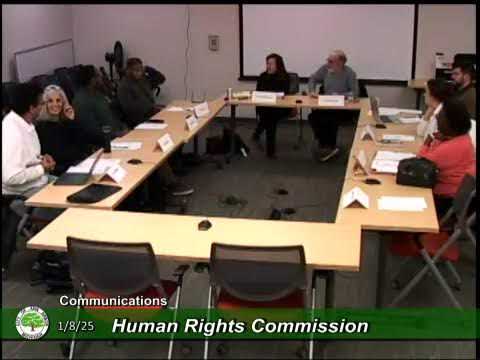
The Human Rights Commission outlined topics it would like social work students to research in upcoming Social Work 509 projects, including housing-stability pressures from rising property taxes, transportation access, food security and guaranteed-income pilots.
“Instead of just doing it in September, this year, we're gonna do it in September and January,” Chair Leslie Stanbaugh said, describing a plan to increase the frequency of student research projects that can support the commission's work.
Commissioners said potential student projects could include examining how added millages and property-tax increases affect residents on fixed incomes and moderate-income households, surveying transportation gaps that affect employment and medical access, and reviewing food-access networks. Councilmember Watson and commissioners also noted an ongoing guaranteed-income pilot run by Poverty Solutions, which provides participants about $528 a month as part of a two-year program; Watson said a preliminary report is available and that the pilot continues through 2026.
Commissioners said previous social work projects have produced useful research and a library of work the commission can draw on, but they also noted students sometimes propose their own projects. The commission asked members to suggest ideas and to coordinate with university professors running the January and September classes.
Why it matters: The commission views targeted student research as a low-cost way to gather local data to inform long-term policy ideas and outreach strategies.