Get Full Government Meeting Transcripts, Videos, & Alerts Forever!
Get email alerts on the Ward Structure topic
No spam. Unsubscribe anytime.
Residents urge more wards, fewer at-large seats during Lansing Charter Commission public comment
Summary
Three residents told the Lansing Charter Commission that the city's current four-ward, substantial at-large model underrepresents neighborhoods; speakers advocated for more wards (seven to nine) and elimination or reduction of at-large council seats.
Nicholas Zandy, president of the Old Everett Neighborhood Association, told the Lansing Charter Commission on Jan. 7 that Lansing's current ward map and the number of at-large seats concentrate power and leave underprivileged neighborhoods underrepresented. "I don't think four wards are nearly enough," Zandy said, urging the commission to consider nine wards or, at minimum, seven wards with fewer at-large seats.
He described Colonial Village and Old Everett as closely knit neighborhoods that have been split between wards and said Old Everett should not be paired with Forest View. Heath Lowry, who identified himself as a West Side resident in the 4th Ward and a member of the Board of Zoning Appeals, repeated a call to expand wards and reduce at-large representation, saying at-large seats can concentrate interests and money rather than populations.
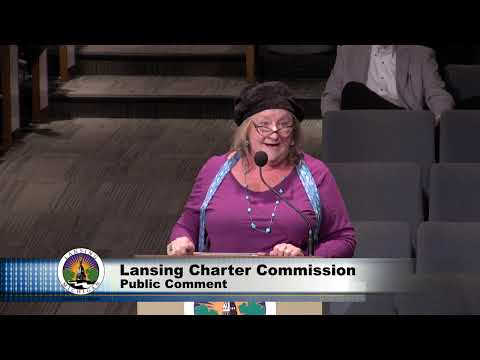
Leslie Arnell, a resident who spoke near the end of the public comment period, endorsed the earlier remarks and raised separate concerns about staff conduct and responses to constituent requests. Arnell criticized replies she received from a staff email account, said complaints about long-running trash-code issues in her neighborhood remain unresolved and urged commissioners to treat public comment respectfully.
The comments were delivered during the meeting's public comment segment. Commissioners did not take immediate votes tied to the public comments; the remarks were entered into the record for the commission's consideration as it examines charter language tied to wards and council composition.
Residents who asked to speak were limited to three minutes under the commission's public-comment procedures. The speakers suggested specific options: full ward-only representation with nine wards, or a compromise of seven wards and two at-large seats; they also asked the commission to remove or reduce the proportion of at-large seats that, in their view, skew representation.