Get Full Government Meeting Transcripts, Videos, & Alerts Forever!
Get email alerts on the Public Comment Mdot Ethics topic
No spam. Unsubscribe anytime.
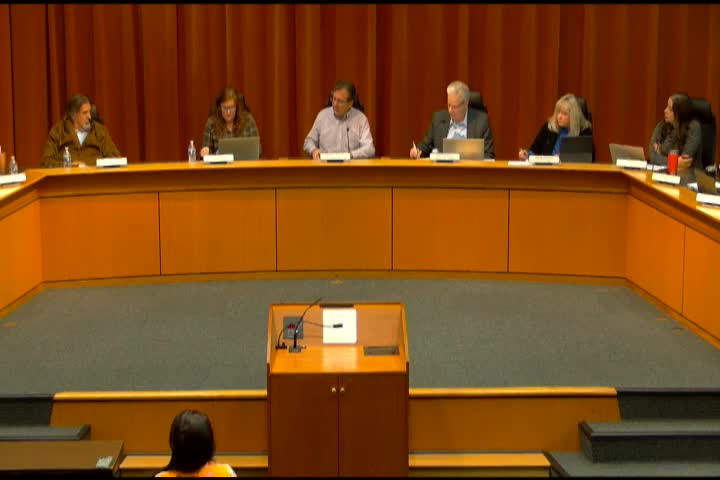
Residents press council on noise barriers; council outlines MDOT policy and ethics complaint options
Summary
Residents asked the Taylor City Council about a resolution the city sent to MDOT requesting noise barriers along northbound I‑75; council staff said MDOT’s policy limits barriers to cases where the freeway was built after homes, and council described channels for ethics complaints after a public allegation about a council member’s county job application.
Residents used the public‑comment period to press the council on two community issues: highway noise mitigation requests to MDOT and allegations about a council member’s candidacy for a county job.
On noise mitigation: A resident asked the council where the resolution previously sent to the Michigan Department of Transportation (MDOT) stood. Council members and staff said the city sent a resolution to MDOT and that MDOT replied with a policy explanation: MDOT typically considers noise‑barrier construction when a freeway is built after homes are constructed; if the freeway pre‑dated the housing, MDOT does not usually construct noise walls under its program. Staff noted there are other parameters MDOT considers and recalled a similar resolution from 1975.
One council member said MDOT used federal funds to erect attractive walls in areas where federal funding was available at the time of construction and that downriver communities have received fewer such treatments. On airport‑related soundproofing, staff said assistance was similarly governed by whether flight‑pattern changes came after homes were built and that eligibility varies by program.
On allegations and ethics process: A member of the public read aloud texts alleging a council member had contact about a county parks plumber position. The council discussed the comments on the record: the council president reminded speakers that public comment is protected speech but asked citizens to pursue formal complaints through appropriate legal or ethics channels when they believe misconduct has occurred.
Councilman Johnson responded on the record that he is a master plumber and confirmed he interviewed for a county position; the mayor stated, “nobody in the city of Taylor gets free golf. I made that very clear when I got in here,” addressing an apparent assertion in the public comments. Council leadership advised anyone alleging illegal activity to bring first‑hand evidence to law enforcement or the Wayne County prosecutor; for ethics complaints, they directed residents to the Taylor Ethics Committee and clarified that the city’s ethics process requires sworn, first‑hand statements and is intended to prevent baseless allegations.
Why it matters: The MDOT explanation clarifies the limits of municipal influence on freeway noise mitigation and sets expectations for residents seeking barrier construction. The public‑comment exchange also illustrates the council’s guidance on how residents can escalate allegations of illegal or unethical behavior for formal review.
Next steps: Staff said the city has MDOT correspondence on file and will publish meeting materials. Officials urged residents with specific complaints or first‑hand evidence to file with the appropriate legal or ethics authorities so the matter can be formally reviewed.