Get Full Government Meeting Transcripts, Videos, & Alerts Forever!
Get email alerts on the Homelessness Funding topic
No spam. Unsubscribe anytime.
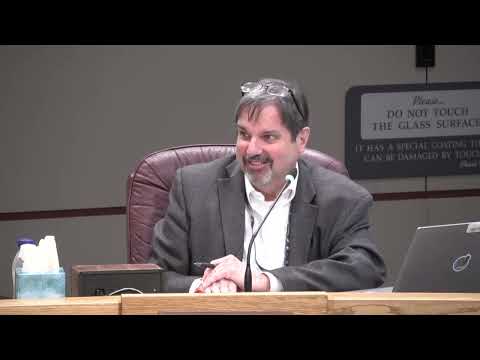
Council approves $2 million in homeless-services grants amid debate over shelter transparency and population mixes
Summary
Spokane City Council approved four one-time awards of $500,000 each to local shelter and service providers but several council members and public commenters pressed for more transparency about shelter locations, accountability on spending and concerns about mixing low-barrier and transitional populations.
The Spokane City Council approved one-time awards totaling $2 million to local homeless-service providers after discussion about shelter operations and transparency.
Council members voted, by voice, to fund the Way Out Shelter ($500,000), Catholic Charities ($500,000), Volunteers of America Hope House ($500,000) and to provide inclement-weather funding to Revive Counseling ($500,000). The items were on the consent agenda and were approved after separate discussion and voice votes.
Council members and public commenters said the grants address urgent needs but raised concerns about provider accountability and the public’s ability to review shelter locations and operating plans. Council member CatCard said of the Way Out Shelter plan: “I am, strongly going to oppose this.” Council member Caccard echoed that mixing certain populations in a single facility is inappropriate: “somebody who is addicted and in a bad situation should not be bringing that into the same space as somebody who is desperately trying to get away from it.”
By contrast, one council member who said they had spoken with the Salvation Army reported the provider supported combining services on separate floors and said the arrangement had helped create a pathway to stability. That council member said the facility “has the populations on 2 different floors” and that the arrangement had been “a great opportunity to bring people in and move them on a pathway a more stable pathway.”
Council member McAdcar (spelling per transcript) pressed for transparency about the locations used for inclement-weather sheltering, saying he had tried for data and site information without success. McAdcar said: “if you’re using government money, you should be transparent. It should be a mandate upon you to act in such a manner.” Council member Bingo (transcript spelling) and others described a NOFA selection process run through CHHS and said the city had received information about surge capacity and provider selection.
Public commenters repeatedly urged accountability for grant spending. Derek Cazaro, a former Logan Neighborhood resident who testified during the consent-agenda public comment period, asked: “All this money, is there any accountability at all?” and pressed the council to require receipts, head counts and financial records from grantees. In open forum, a speaker using a variant spelling, Derek Izzaro, repeated concerns about how much funding reaches local people and whether large provider organizations were “making all the money.”
Other public remarks ranged from gratitude for shelter openings to calls for a regional approach. HD Higgins, speaking at open forum, urged a regional collaborative to coordinate “time, talent, and treasure of local jurisdictions, nonprofit service providers, philanthropic institutions, faith communities, and the business community under 1 entity.” Several speakers, including Sunshine Wigan and Earl Moore, offered personal perspectives about service delivery and public safety.
Council members moved to add a previously pulled claim (the Larry Stone property item) back onto the consent agenda; the motion to add the item (referred to in the meeting as item 9) passed by voice vote and the overall consent agenda passed as amended.
The council’s adopting of the funding awards was taken as part of the consent agenda; the awards were approved by voice vote with no recorded roll-call “no” votes on those items during the meeting.
The council noted that the inclement-weather awards and other contracts were selected through a NOFA process administered by CHHS and that some providers cited safety or community relations reasons for keeping specific operating locations confidential. Several council members said they wanted clearer data from providers about outcomes and spending before future awards.
The council adjourned with a reminder that it will not meet on Jan. 20 in observance of Martin Luther King Jr. Day and will reconvene on Jan. 27.