Get Full Government Meeting Transcripts, Videos, & Alerts Forever!
Get email alerts on the Pfas Water Contamination topic
No spam. Unsubscribe anytime.
West Plains residents press Spokane County to accelerate PFAS task force and add affected citizens
Summary
Multiple West Plains residents urged the Spokane County commissioners to speed up a PFAS (per‑and polyfluoroalkyl substances) task force, add citizen members with contaminated wells and farms, and deliver promised reports and filtration assistance.
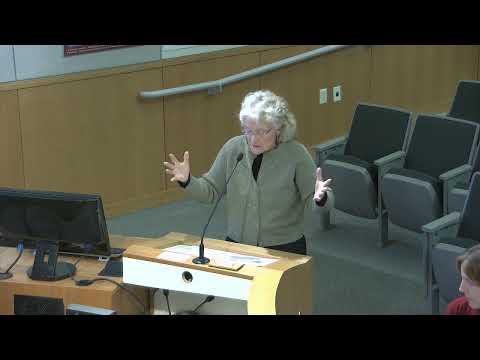
Several West Plains residents used the Jan. 14 Spokane County meeting to press the commission for faster, broader action on PFAS contamination affecting local groundwater.
Laura Ackerman, who identified herself as a West Plains resident, told the commission she supports the task force but urged it to “move quickly and get going.” She told commissioners that PFAS is an expanding problem and said “poison wells don't know politics,” urging that the task force include a Democratic commissioner to increase perceived inclusiveness and to add more residents who have PFAS in their wells and who have livestock or farms.
Craig (last name not specified), a West Plains resident, said the county's pace has been too slow given the eight‑year history of the problem in the area and urged commissioners to “shift into second gear” to accelerate work. Mary Benham and Krista Connolly likewise asked that the task force include impacted citizen representatives from known contaminated areas and from neighborhoods left out of previous studies.
Julia McHugh of the Palisades neighborhood listed short‑ and long‑term priorities she believes the task force should address: produce the assessor's report on West Plains property values that residents were promised six months earlier; provide whole‑house filtration systems to affected households similar to those provided by Fairchild (as she described it); recognize that basalt geology will leave some properties unreachable by proposed piped water; and pursue longer‑term actions including a 2025 aquifer protection area ballot measure and updating the county's 2018 critical aquifer recharge area (CARE) ordinance.
McHugh also itemized costs already borne by residents and local agencies: self‑paid filter installations by property owners, costs borne by Northern Great Northern School District and Fire District 10 (as cited by the speaker), Ecology enforcement activities, voluntary EPA/Ecology testing and reporting, bottled water provision by state public health or ecology programs, and airport consultant work. She asked for full engagement by the Spokane Regional Health District, which she said has been “curiously absent.”
Why it matters: Residents framed the task force as a necessary, practical response to ongoing groundwater contamination and asked the county to ensure representation of those directly affected, to deliver promised analyses, and to consider both immediate filtration help and longer‑term land‑use and ballot measures.
No formal policy vote or appointment to the task force occurred during the Jan. 14 meeting; the remarks were made during public comment and were requests for faster action and broader representation.