Get Full Government Meeting Transcripts, Videos, & Alerts Forever!
Get email alerts on the Labor And Employment topic
No spam. Unsubscribe anytime.
Labor board ruling on Essex North Shore Tech’s summer schedule upheld in appeals court argument
Summary
The court heard arguments over whether Essex North Shore Agricultural & Technical School District unlawfully changed employee hours during summer 2020 without impact bargaining; central issues included alleged waiver by contract, whether parties reached impasse, and managerial prerogative to set levels of service.
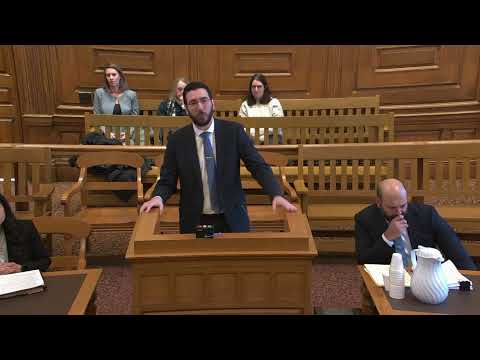
The Appeals Court heard argument in 2023P1399, Essex North Shore Agricultural and Technical School District v. Commonwealth Employment Relations Board (CERB) and AFSCME Council 93/Unit (the union), over a CERB finding that the district violated Chapter 150E by unilaterally changing employee schedules during summer 2020 without completing required bargaining over the decision’s effects.
Brett Sebag, counsel for Essex North Shore, argued the district had contractual authority under Article 5 of the parties’ collective bargaining agreement to modify employees’ work years and schedules and that the district’s decision to close buildings on Fridays (moving many employees to a Monday‑through‑Thursday schedule) fell within management’s level‑of‑service prerogative. Sebag emphasized that the contract language and management‑rights clauses permitted the district to seek scheduling adjustments and that the district had offered notice and some concessions on implementation dates.
CERB counsel and union counsel disputed that interpretation. CERB argued the district failed to show a clear and unmistakable waiver in the contract; CERB said ambiguous contract language cannot be read as an affirmative waiver of mandatory bargaining rights without bargaining history or specific evidence the parties contemplated furloughs as part of the work‑year language. The union (AFSCME Council 93) described a factual record of compressed timelines, limited bargaining sessions, and members facing loss of summer pay if compelled to use accrued leave or accept unpaid Fridays.
The panel questioned both sides about how impasse is established and whether the union’s emails that urged bargaining and later said “we do not anticipate changes until we complete impact bargaining” indicated waiver by inaction. CERB urged deference on its factual impasse and waiver findings, saying determinations of fact‑intensive bargaining history and impasse deserve agency expertise and appellate deference. The district urged that its managerial decision on level of services is not a bargaining subject and that the union’s response did not preserve a claim of continuing bargaining entitlement.
The court did not issue a ruling from the bench. The dispute turns on contract construction (Article 5 work‑day/work‑year language), whether the district’s conduct constituted an implementable managerial decision pending impact bargaining, and whether CERB reasonably found a prohibited unilateral change.