Get Full Government Meeting Transcripts, Videos, & Alerts Forever!
Get email alerts on the Employment Law Disability topic
No spam. Unsubscribe anytime.
Court hears disability‑discrimination appeal over honorary status and alleged failure to accommodate
Summary
Stephen Korn appealed denial of factual disputes at summary judgment on disability‑discrimination and related claims against Brigham and Women’s Hospital, centering on whether Korn remained an employee after shifting to disability and honorary status and whether statute of limitations bars parts of his claims.
The Appeals Court heard argument in 2024P421, Stephen B. Korn, M.D. v. Brigham and Women’s Hospital and others, over whether summary judgment was appropriate on disability‑discrimination, failure‑to‑accommodate and related common‑law claims. The appeal raises two principal issues: (1) whether Korn remained an “employee” after moving to disability status and receiving an honorary appointment but continued to receive employer‑paid health insurance and retirement contributions, and (2) whether portions of his claims are time‑barred.
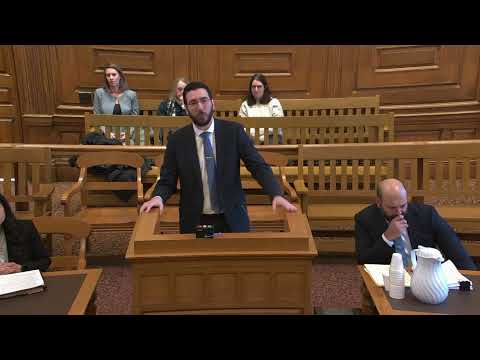
Counsel for Dr. Korn, Dana Kernhan, said a reasonable factfinder could determine Korn remained an employee because he continued to receive some employer‑provided benefits, maintained office access, teaching and supervisory responsibilities, and had research and grant activity. Kernhan argued that those nonclinical activities were part of his ongoing obligations and that the trial court erred by treating the record as too thin to generate a genuine dispute of material fact.
Toby Bright, representing Brigham and Women’s and Partners Healthcare, replied that Korn’s status after 2011 was analogous to an emeritus or honorary affiliation rather than an employment relationship: Bright said Korn received disability payments from an insurer, retained honorific status, and was not compensated in exchange for required work. Bright argued the “quid pro quo” of employment — payment in exchange for services — was absent and that summary judgment dismissal was therefore correct.
The panel questioned counsel about record evidence on what Korn actually did after 2011 (teaching, supervising, grant activity), how the hospital treated the change in status administratively, and when Korn knew or reasonably should have known of the alleged unlawful conduct for purposes of the statute of limitations. Korn’s counsel argued some evidentiary details were not known until discovery, and that the hospital’s retention of honors, keycard access and benefits could sustain an employee‑status finding.
Both sides also debated continuing‑violation doctrine and whether Korn’s later removal of honorary affiliation bears a legal connection to earlier failure‑to‑accommodate allegations. The trial court’s grant of summary judgment rested on findings about notice and the discrete nature of failure‑to‑accommodate claims; Korn urged a different factual view. The court did not announce a decision at argument.
The appeal raises factual questions about institutional handling of long‑term disability, distinctions between honorary affiliation and employment, and the appropriate accrual date for discrimination claims.