Get Full Government Meeting Transcripts, Videos, & Alerts Forever!
Get email alerts on the Police Immunity topic
No spam. Unsubscribe anytime.
Texas Supreme Court hears whether off-duty Dallas officer became "on duty" while assisting Home Depot
Summary
The Texas Supreme Court heard arguments in Seward v. Santander over whether an off‑duty Dallas police officer who assisted Home Depot loss‑prevention staff switched into on‑duty status — a determination that would affect governmental immunity and whether plaintiffs’ claims are for negligent activity or premises liability.
The Supreme Court of Texas heard oral argument Tuesday in Seward v. Santander over whether Dallas Police Department Officer Seward became an on‑duty officer while working off‑duty at a Home Depot, a status that petitioners say triggers governmental immunity and substitution under the Texas Tort Claims Act.
The question could determine whether plaintiffs Santander and Almeida may pursue negligence or premises‑liability claims against Home Depot and Officer Seward, or whether the statutory election‑of‑remedies and immunity provisions require substituting the police department and bar suit against the officer.
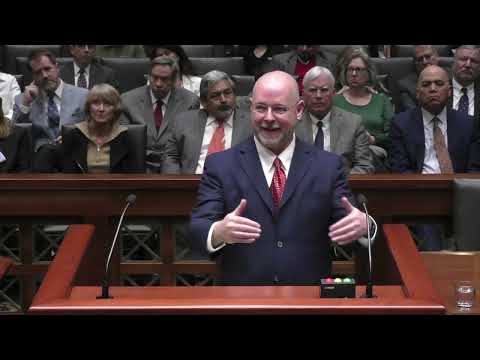
Petitioners’ counsel David Walsh told the court the officer “received... a credible report from Painter that Juarez was committing shoplifting and that created this on duty obligation for him to respond to that crime,” arguing that a combination of the Texas Code of Criminal Procedure and the Dallas Police Department’s off‑duty policy required Seward to follow on‑duty procedures when he responded. Walsh said those procedures include identity checks and warrant inquiries and that following them made the officer’s conduct “in furtherance of DPD” and therefore within the scope of employment for immunity purposes.
Counsel for the respondents, Niles Illich, urged the court to treat Seward’s status as a fact question for a jury or the court of appeals to resolve. Illich noted that Seward began the encounter off duty and that Seward did not witness the alleged shoplifting; instead, loss‑prevention employee Painter summoned Seward and “direct[ed]” much of the response, Illich told the justices. He also emphasized procedural burdens under the Tort Claims Act, saying that 101.106(f) places the burden on the petitioner — here, Seward — to show the contested negligent acts occurred within the scope of employment.
Both sides debated whether the transition to an on‑duty status occurred when Seward went to the store in uniform, when he began investigating (for example, seeking the subject’s identification), or only after he placed a warrant check call and asked for a cover unit. Justice Bland asked directly, “At what point did that switch happen?” and pressed counsel on whether the warrant check or the call for backup marked the moment immunity attached.
The parties also argued whether plaintiffs’ theories best fit the negligent‑activity category or ordinary premises liability. Respondents urged the court to apply the firefighter‑rule rationale (which limits owner liability for harms inherent in police duties) or, alternatively, to treat the visiting officers as licensees owed only a duty to warn of known dangerous conditions. Petitioners countered that some acts alleged — notably a dispute over whether a protective “Terry” frisk occurred or whether Seward failed to frisk — are operative safety measures tied to policing and therefore would be judged under police‑procedure standards.
Counsel and several justices discussed the practical stakes: petitioners said applying on‑duty standards when an off‑duty officer responds protects uniformity of police practice and supports substitution of the public employer under the election of remedies statute; respondents warned that resolving the question as a matter of law on the present record would short‑circuit disputed factual issues about who directed the encounter and which policies actually governed.
The court took questions from multiple justices about the factual record, policing policies and commercial loss‑prevention practices, and asked the parties to submit a short letter identifying relevant DPD policies they contend were followed or not followed. The arguments concluded and the case was submitted for decision.
The court did not issue a ruling at the hearing. The case centers on (1) whether Seward’s off‑duty actions were sufficiently connected to his police duties to make them on‑duty for immunity and election‑of‑remedies purposes; (2) whether plaintiffs’ claims sound in negligent activity or premises liability; and (3) whether the firefighter doctrine or licensee considerations should limit Home Depot’s duty. A written opinion will resolve whether the trial‑court and court‑of‑appeals findings on those questions stand.