Get Full Government Meeting Transcripts, Videos, & Alerts Forever!
Get email alerts on the Immigration Law Courts topic
No spam. Unsubscribe anytime.
Texas urges court to allow quo warranto, subpoenas and injunctions against Annunciation House over alleged harboring
Summary
At a Supreme Court of Texas oral argument, counsel for the State said Attorney General Ken Paxton may use three tools — a temporary injunction, a quo warranto petition to seek forfeiture of a corporate charter, and an administrative subpoena — to stop Annunciation House from sheltering people the State says are in the country unlawfully.
At a Supreme Court of Texas oral argument, counsel for the State said Attorney General Ken Paxton may use three tools — a temporary injunction, a quo warranto petition to seek forfeiture of a corporate charter, and an administrative subpoena — to stop Annunciation House from sheltering people the State says are in the country unlawfully.
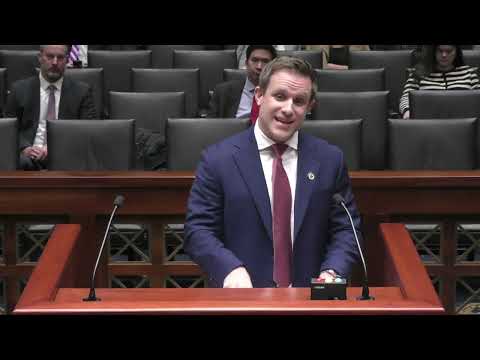
The State’s lawyer, Mr. Bash, told the court that Annunciation House’s own admissions in the record are enough at the pleading stage to permit discovery and a quo warranto claim. “They boast about how they help aliens who cross illegally with help from a coyote,” Bash said, and he argued the organization has “the most important part of their mission” devoted to assisting people who crossed the border unlawfully. He said those admissions, together with conduct the State alleges — refusing law-enforcement entry without a warrant, instructing guests it would continue to protect them after a subpoena was served, and interposing frivolous objections — justify the remedies the State seeks and satisfy pleading standards for quo warranto.
Annunciation House’s counsel, Ms. Kennedy, responded that the record does not show the concealment or hiding that the harboring statute requires. “We’re not concealing anyone, hiding anyone from detection,” she told the court, and she said much of the State’s case rests on rhetoric rather than the evidence in the trial record. Kennedy said the organization routinely houses people processed by federal immigration agencies and that some guests are provided at federal request; she urged the court to take the record as it stands and find the State has not pleaded all elements of harboring.
The parties debated what conduct each statutory verb — “harbor, shield, conceal from detection” — independently requires. State counsel told the court that federal precedents recognize liability when an organization’s purpose is to shelter people because they are unlawfully present and when an institution takes active steps that thwart law enforcement. He cited a Seventh Circuit opinion, quoted in his brief, to argue that “the illegal status of the alien is inseparable from the decision to provide housing.” The State also argued that because quo warranto is available when a corporate charter is used to exercise power not granted by law, a corporation that systematically violates criminal law may have its charter forfeited.
Annunciation House’s counsel countered that quo warranto is an extraordinary remedy that the Texas Constitution and statutes place behind procedural and substantive hurdles and that the legislature has not authorized the sweeping use the State proposes. She asked the court to require the State to allege every element of the charged offense at the quo warranto threshold before permitting discovery and the remedy to proceed.
An amicus arguing for religious-liberty protection, on behalf of First Liberty Institute, told the court that Annunciation House’s services are motivated by Catholic religious commitments and urged that the Texas Religious Freedom Restoration Act (Texas RFRA) protects the organization against a corporate-charter forfeiture that would effectively close its ministry. “If Texas RFRA protects anything, it protects this religious charity against outright closure,” the amicus counsel said.
Justices pressed both sides on several points, including whether the activity at issue is religious, whether RFRA applies to the particular remedy of quo warranto, and what factual showing the State must make at the pleading stage. One justice asked whether, if the activity is religious, an injunction or charter forfeiture would necessarily substantially burden the exercise; another asked whether refusing law-enforcement entry without a warrant could itself give rise to harboring liability.
Counsel for the State said the court need not accept every remedy the State seeks to reach the discovery stage; if the court doubts the RFRA defense as to remedy, the case could be remanded for further factual development about substantial burden. Counsel for Annunciation House maintained the State’s subpoena and quo warranto scheme is facially infirm under the First Amendment and that the pleading-stage record fails to show concealment or other elements required for harboring.
After hearing argument from the parties and the amicus, the court took the case under submission. The Chief Justice told counsel the court would recess and later issue a decision.