Get Full Government Meeting Transcripts, Videos, & Alerts Forever!
Get email alerts on the Tax Collection topic
No spam. Unsubscribe anytime.
Outside collection firm briefs Van Zandt County on tax‑collection timeline, delinquencies and sales
Summary
A contractor presented the county’s tax‑collection process and recent results: timelines for delinquency, outreach mailings, lawsuits and tax sales, plus data on suits, judgments and pending cases.
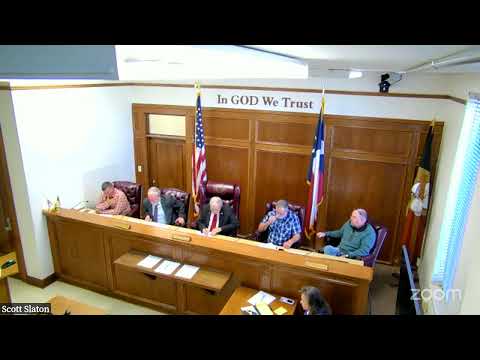
An outside collections team briefed Van Zandt County Commissioner’s Court on Jan. 13 about the county property‑tax collection calendar, collection steps and recent outcomes, providing detailed counts for mailings, lawsuits, judgments and sales.
The presenters — staff from the county’s collections provider — explained the normal tax timetable: appraisal values reflect ownership on Jan. 1; bills are mailed in October; taxpayers have until Jan. 31 to pay before accounts become delinquent on Feb. 1; and delinquent accounts generally are turned over to the collector on July 1. The presenter emphasized that the statutory delinquency date of Feb. 1 is fixed.
Why it matters: the court heard that aggressive early outreach and negotiated payment plans can preserve property ownership and collect revenue for county services and schools; conversely, prolonged delinquencies can lead to lawsuits and tax sales that permanently transfer property.
Selected figures and descriptions given at the meeting (speaker attribution retained to the presenter): • Mailings: the collector reported sending an initial mailing campaign with several follow‑up notices; the presenter cited 18,271 notices sent during the 12‑month reporting period to delinquent taxpayers. • Lawsuits and judgments: the presenter said the collector filed about 95 new lawsuits in the year‑to‑date reporting period covering roughly $40,000,000 in assessed liabilities; he said the office sought about 40 judgments against 65 properties totaling about $106,000 and reported recovering modest amounts before judgment in some cases. • Tax sales and outcomes: last year the collector reported 61 tax sales that generated about $317,000; the presenter said most properties sold at tax sale are vacant or abandoned parcels and that sales of occupied homes are rare. • Pending caseload: the presenter said there were 359 suits pending in district court totaling about $746,000 at the time of the briefing. • Deferrals and return mail: deferrals for qualifying seniors were explained as a legal mechanism that delays collection but allows interest to accrue; the presenter said approximately 14% of accounts were in deferral and return mail (undeliverable bills) remained a meaningful obstacle.
The presenter described “soft” collection steps — outreach, negotiated payment plans and technology tools including an online property list and skip‑trace software — and said the firm prefers negotiated plans over sales where possible. He also described bankruptcy handling, tax‑warrant remedies for movable personal property and the use of local constables or sheriff’s deputies for service when necessary.
Ending: Commissioners asked clarifying questions about timing, service and how collections interact with county offices. No formal vote was required for the presentation; it was informational and intended to help the court monitor county revenue risk.