Get Full Government Meeting Transcripts, Videos, & Alerts Forever!
Get email alerts on the Consumer Protection topic
No spam. Unsubscribe anytime.
Advocates and attorneys tell committee VIP-host programs and marketing tactics amplify addiction risks
Summary
National advocates and litigators described VIP‑host programs, targeted incentives, and marketing that they say steer heavy users into deeper losses; treatment advocates urged statutory and regulatory protections.
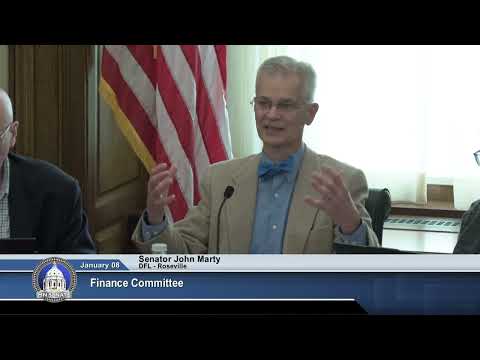
National advocates and a consumer‑protection attorney warned the Senate Finance Committee that commercialized sports-book practices — including VIP-host programs, targeted incentives and normalized advertising — increase the risk of gambling harm.
Les Bridal, identified in testimony as the national director for Stop Predatory Gambling, said the industry uses what he called "the big con": packaging an addictive product as entertainment while making a mathematically negative financial exchange for customers. "The house always wins," Bridal said, arguing that the longer people participate the more likely they are to lose.
Attorney Matthew Litt described the VIP-host business model in detail. "It's the VIP host's job to keep the gambler gambling," Litt said. He told the committee VIP hosts monitor deposits and bets in real time, send immediate text incentives after losses ("Here's a free $500 bet on us"), offer deposit matches and all‑expense trips, and in some cases provide repeated credits that litigation later challenged. Litt cited ongoing litigation including the Amit Patel v. FanDuel case, saying the VIP host gave more than $1,000,000 in credits to a single player to keep him wagering.
Nut graf: presenters argued industry marketing and personalization not only normalize gambling but actively recruit and retain high‑risk customers; they urged statutory accountability and limits on VIP practices that currently, they said, evade adequate legal liability.
Litt said VIP hosts develop intimate, one‑sided relationships with high‑deposit players and use real‑time messages to convert bad runs into more betting. "They send incentives through trips, all expense paid trips to every event you can imagine," Litt testified. Bridal and Litt criticized so‑called "responsible gaming" claims: Bridal cited research indicating roughly 75 percent of players who behave so-called responsibly contribute only about 4 percent of gambling revenue, arguing that voluntary consumer‑protection messaging does not address the business incentives.
Susan Sheridan Tucker, executive director of the Minnesota Alliance on Problem Gambling, told the committee the state alliance accepts industry donations for programming but urged lawmakers not to rely on self‑regulation. "We fully advocate and support comprehensive consumer protections for all those who choose to gamble," Sheridan Tucker said, adding Minnesota lacks prevention materials in schools and the state underinvests in treatment capacity.
Ending: Litt and advocacy witnesses urged statutory clarity and potential liability rules to hold operators accountable; they also highlighted research and litigation as tools to constrain practices they view as predatory. The committee heard the industry argument in later meetings (not covered at this hearing) that tribal partners and existing casino operators can operate responsibly; senators on the panel said they would balance those positions in bill drafting.