Get Full Government Meeting Transcripts, Videos, & Alerts Forever!
Get email alerts on the Police Staffing topic
No spam. Unsubscribe anytime.
Interim police chief outlines staffing shortfalls, training timelines and a focus on community trust
Summary
Interim Police Chief Bob Day briefed councilors on staffing numbers, training timelines, and the bureau’s priorities: transforming police-community dynamics, reducing crime and addressing organizational wellness.
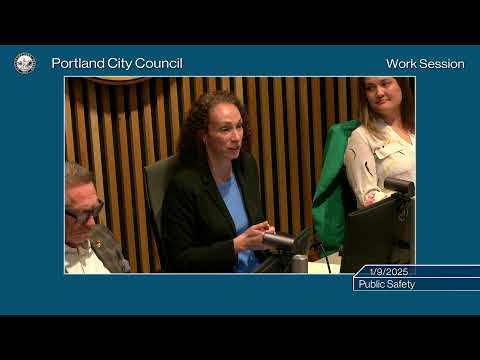
Interim Police Chief Bob Day told the City Council Jan. 9 that the Portland Police Bureau continues to operate with fewer officers than authorized and that rebuilding staffing levels will take time because of lengthy training and probation periods.
Day said the bureau’s total officer rank figures were approximately in the mid-500s, with about 293 patrol officers currently assigned and an authorized officer rank near 881. He told councilors that a patrol target closer to 400 officers would better meet precinct needs. He also said about 94 officers were in training and that new hires require 16 weeks at the state Basic Academy plus additional bureau training and an 18-month probationary period before operating independently.
Day highlighted daily staffing pressures with an example: a morning minimum requirement of 53 officers was being met only with overtime and an afternoon minimum of 55 was not met the prior day when 41 officers were on duty. Near the end of the session he said text-message staffing data showed 36 officers scheduled for a night shift but only 31 actually on duty.
Day emphasized restoring trust with Portlanders and said, “I believe trust is the bedrock of how law enforcement works in our country,” adding that community engagement and transparent behavior are critical to changing the experience between police and residents. He also said the bureau is reassessing call types to identify those that might be handled by alternative responders; he and other presenters said such reallocation requires careful work with labor and partner agencies.
Councilors asked about training changes; Day said the bureau is reducing a bureau-specific academy segment from about 13 weeks to 10 to expedite field deployment but intends to preserve community-engagement and equity training and not to lower standards overall.