Get Full Government Meeting Transcripts, Videos, & Alerts Forever!
Get email alerts on the Public Notices Publication topic
No spam. Unsubscribe anytime.
Committee weighs shifting legal notices to Secretary of State website; members flag tech costs and access concerns
Summary
Committee members debated changes in publication requirements in Senate Bill 2069 and reports from the Secretary of State's office. Staff told the committee that even small edits to the current Secretary of State website could cost $3,000–$5,000 and that replacing the system could exceed $100,000; lawmakers raised concerns about searchabil
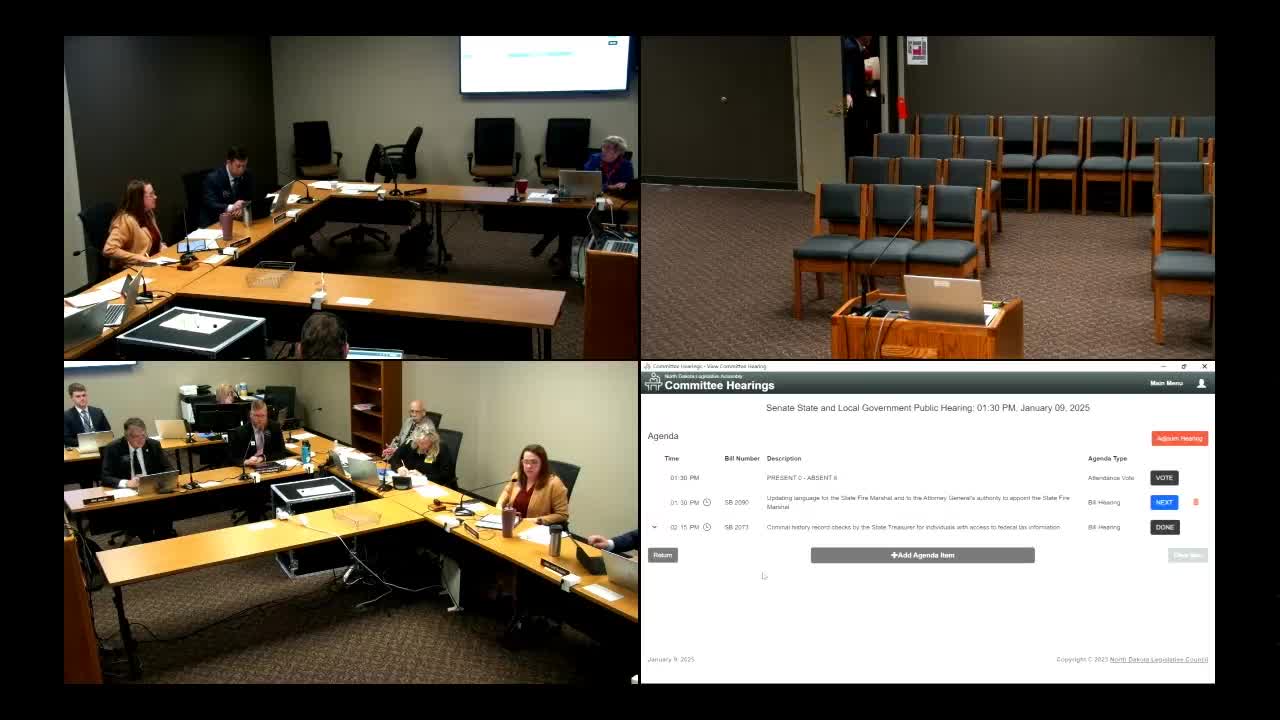
The State and Local Government Committee revisited Senate Bill 2069, which would alter publication requirements for legal notices and related materials and would expand what is posted on the Secretary of State’s website.
Committee staff relayed information from the Secretary of State’s office: a small edit (for example, adding a website link or restoring a scroll bar) could cost an estimated $3,000–$5,000 because the current system was built nearly 12 years ago and no one on staff is familiar with its internals. Staff said a full replacement or vendor solution could run on the order of $100,000 or more; members were also told that moving all legal notices to the Secretary of State's site would dramatically increase posting volume beyond current uses (currently the site hosts state‑agency meeting notices).
Why it matters: proponents of change said posting notices to a central, public site could act as a backstop if newspapers fail to publish a notice; opponents questioned whether the Secretary of State’s site is sufficiently accessible and searchable for everyday users and whether private newspaper websites currently provide better discoverability.
Committee debate: some members supported adding a Secretary of State posting as a backstop. One senator called the newspaper website "leaps and bounds ahead" on usability and urged investment in the Secretary of State’s site if the state expects it to carry the load. Another senator raised accessibility concerns and cited a local permitting example to argue that postings on the Secretary of State site have sometimes been hard for the public to find. The committee chair said she would contact Secretary of State staff for further details and suggested inviting a representative (Sandy) back to discuss whether the department would take on a rewrite or expansion of the site.
Next steps: the committee asked staff to obtain a legislative study quantifying expected posting volume and to invite Secretary of State staff to return with technical guidance and cost estimates. The committee stood at ease until the later meeting, planning to revisit the item with that additional information.
Ending: No vote was taken on the bill at this session; members signaled interest in more technical and cost information before making a decision.