Get Full Government Meeting Transcripts, Videos, & Alerts Forever!
Get email alerts on the Athletic Transfer Rule topic
No spam. Unsubscribe anytime.
WV athletic directors urge rollback of transfer rule after surge in mid‑season transfers
Summary
Members of the West Virginia Athletic Directors Association told the committee the 2023–24 change to the student transfer rule triggered a sharp rise in transfers and appeals, including many upper‑class moves that they say harm competitive balance; presenters urged the Legislature to consider guardrails or use a competitive‑balance approach.
The president of the West Virginia Athletic Directors Association told a legislative committee the state’s 2023 transfer‑eligibility changes produced a large increase in transfers for fall sports and a corresponding rise in appeals and competitive imbalances.
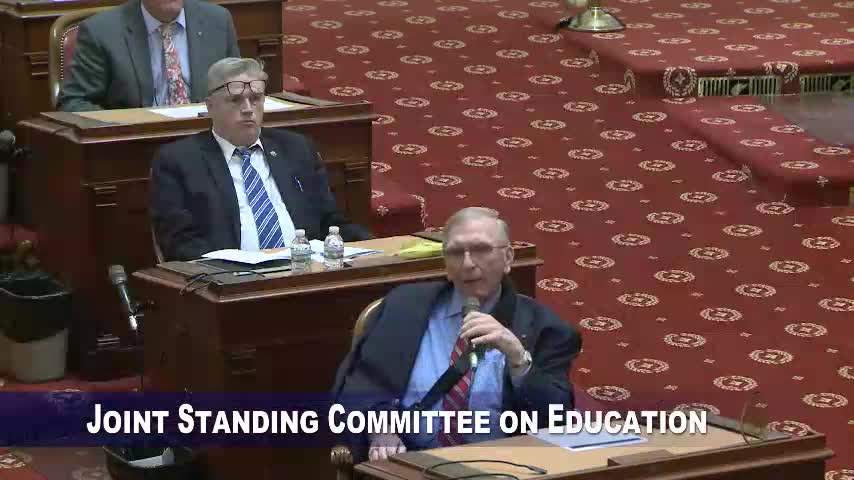
David Vines, athletic director at Jefferson High and president of the association, said fall transfer counts rose to roughly 432 and 433 in successive years after the rule changed to allow transfers outside the previously tighter window. He told the committee those transfers are increasingly concentrated among juniors and seniors who move to teams with stronger competitive prospects.
"We're seeing transfers in juniors and seniors, basically to go join a better team or to win a state championship," Vines said, adding that the trend can leave sending schools short of experienced upperclassmen.
Presenters gave specific data that, they said, illustrate competitive effects: the West Virginia Secondary School Activities Commission (WVSSAC) handled 193 transfer appeals between January 2021 and October 2023; presenters said 133 of those appeals were granted — about 71 percent upheld. They also cited shortened football games as an indirect indicator of imbalance: 159 games were shortened by running clock in 2023 and 255 such games in 2024, numbers the presenters said had risen since the rule change.
Steve Campbell, an athletic director who testified, said the rule had created visible strain in some districts and urged the committee to seek compromise. "I have yet to find anybody that says, Man, that transfer rule is rock solid," Campbell said.
Association members said the transfer rule change affects more than athletics: they argued it weakens local community teams and can worsen disparities between districts with different facilities, donor bases and travel access. They urged legislators to consider restoring tighter eligibility windows for high‑school transfers, to adopt elements of House Bill 5011 from the previous session, or to pursue a competitive‑balance approach that accounts for transfers when classifying teams.
Committee members and presenters discussed possible responses, including legislative rollback of the current transfer provisions, a negotiated rulemaking process led by principals and superintendents, or a competitive‑balance system that would factor transfer inflows into classification. Senator Taylor noted competitive‑balance rules used in other states and asked presenters to consider the effects of up‑classification on schools that become dominant in a higher class.
Presenters asked lawmakers to consult the principals' association, the coaches and athletic directors and to treat the issue as solvable through negotiated adjustments rather than abrupt elimination of school choice. There was no committee vote on the matter; presenters asked legislators to include athletics stakeholders in drafting any remedy.