Get Full Government Meeting Transcripts, Videos, & Alerts Forever!
Get email alerts on the Adult Education Funding topic
No spam. Unsubscribe anytime.
Task force: West Virginia adult-education centers serve thousands but face funding pressures
Summary
A task force convened under Senate Bill 146 reported that adult-education programs awarded hundreds of credentials and industry certificates but historically relied on a mix of federal and state funds totaling about $8–9 million over four years; the panel discussed possible TANF and DHS funding connections.
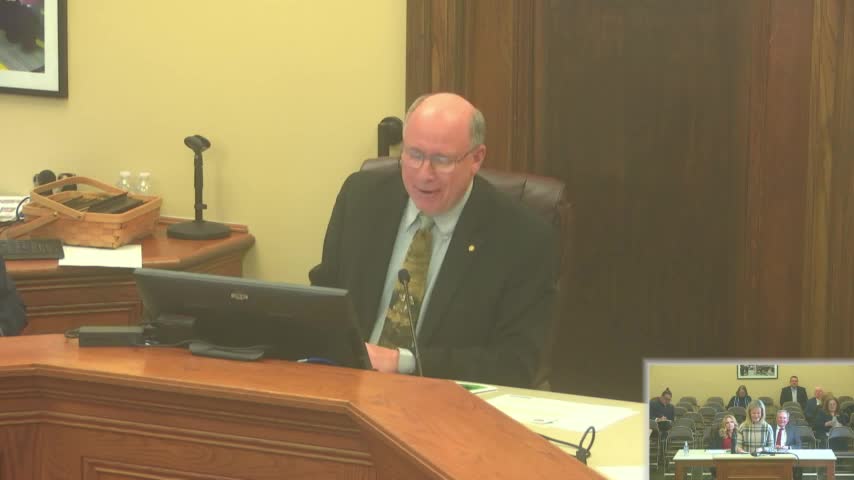
Michelle Sherman (presenting on behalf of the department) told the Legislative Oversight Commission the report on adult education was produced under Senate Bill 146 (2024 session), which required creation of a task force to study funding options for adult-education centers.
Clinton Burch led the task force that met from June to October, Sherman said. The report described services authorized under Title II of the federal Adult Education and Family Literacy Act — part of the Workforce Innovation and Opportunity Act (WIOA) — and said the program is available to adult learners at no cost and often tailored to career pathways.
The presentation included enrollment and outcome figures: 873 students earned high-school credentials and 4,534 earned industry-recognized credentials in the period covered by the report. The task force reviewed specialty programs including public-service training (first aid, EMS, firefighters) and a short-term program run under contract with the Department of Human Services that serves Temporary Assistance for Needy Families (TANF) recipients.
Sherman said the programs historically have been funded by a combination of state and federal monies totaling between $8 million and $9 million over the last four years. She told the committee the office has requested increased funding for public-service training and that the task force was unable to identify additional, dedicated state funding sources beyond the federal WIOA allocations.
Committee members asked about census reporting and whether undercounting could reduce federal allocations; Sherman said she did not have the answer but would have staff look into it. Commissioners also discussed use of TANF dollars managed by the Department of Human Services and whether transfers to other uses reduced available funds for adult-education programming; Sherman said the department would work with DHS to provide details on TANF allocations used for adult-education activities.
Sherman described outreach and marketing methods used by local adult-education programs, including grocery-store signage and outreach at college campuses and athletic events.
No formal funding decision was made; staff said they will provide the committee with further information on TANF-linked funding and other potential state-level sources.