Get Full Government Meeting Transcripts, Videos, & Alerts Forever!
Get email alerts on the Water Infrastructure topic
No spam. Unsubscribe anytime.
Residents raise PFAS and water-infrastructure concerns; council hears federal funding options and limits for Hope Village
Summary
At the Jan. 9 meeting residents and council discussed water-quality concerns, the city's aging water system and whether federal housing funds could support permanent facilities at Hope Village.
Residents used the Jan. 9 constituent-comments period and subsequent workshop questions to press the council on water quality, the city’s aging system and options for funding Hope Village and other housing-related infrastructure.
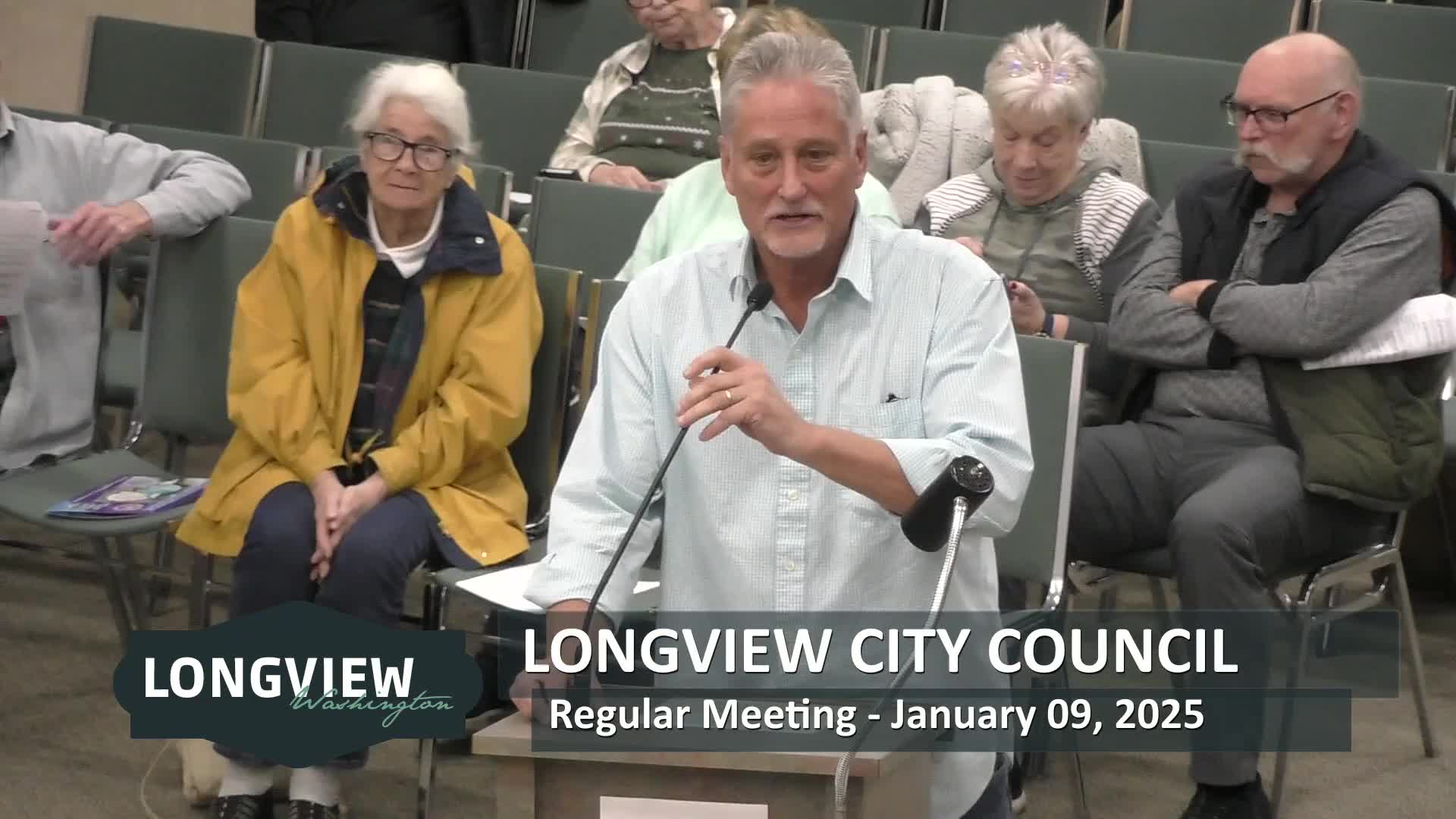
Senator Jeff Wilson (19th Legislative District) told the council he wants better coordination between the city’s federal and state lobbying efforts. "We're here to serve you," Wilson said during public comment; he encouraged the council to keep lines of communication open with state legislators as the 105-day state legislative session began.
Karen Bergquist, a longtime resident, raised concerns about a series of state bills she had seen filed that relate to immigration enforcement and water fluoridation; she urged the council and residents to pay attention and prepare for potential changes. She also thanked council and staff for discussing "forever chemicals" (PFAS) and noted constituent concerns.
Federal options and program limits: In the subsequent workshop, lobbyist Joel Rubin said the Bipartisan Infrastructure Law and other federal funding streams have boosted water-infrastructure dollars through 2026 and that some members of Congress and administration officials have signaled interest in water projects, including addressing PFAS and other contaminants. "There's a number of members of Congress that are interested in adding funding for water infrastructure," Rubin said.
Hope Village and housing-eligibility limits: Council members and staff discussed whether federal housing dollars could fund structures at Hope Village. Rubin and staff clarified that most Department of Housing programs finance permanent structures; temporary or unpermitted shelters generally are ineligible. "If it's a permanent structure, then, yes, it would be eligible," Rubin said; he warned, however, that federal construction financing brings additional buy-American and prevailing-wage requirements that can increase project costs.
Why it matters: Council and staff said Longview’s distribution system is aging and that replacing it at scale would exceed what local rates and revenues can support without state or federal help. Rubin and council members noted federal programs typically pass funds through state revolving funds or other state authorities, and that building a competitive federal application often requires the city to be shovel-ready (design and permitting completed).
Next steps and community requests: Council members asked staff to keep pursuing federal and state funding opportunities and to monitor PFAS testing and regulatory developments. Residents asked the city to provide clearer information about potential state bills and about the long-term costs of moving temporary shelter structures to permanent facilities. Staff said they would share updates and that permanent-structure eligibility and prevailing-wage implications would be evaluated before any formal federal application.