Senate Appropriations committee holds orientation, outlines budget timetable and member assignments
Summary
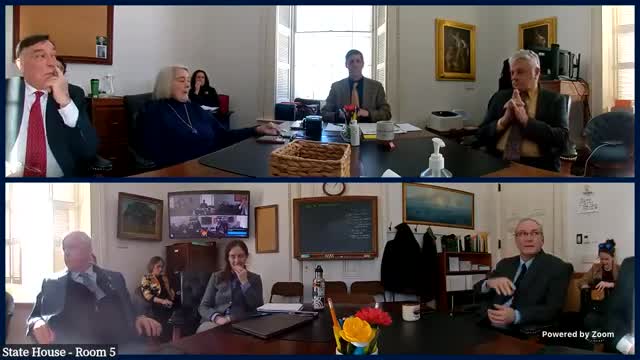
Members of the Vermont Senate Appropriations Committee met for an orientation in which Joint Fiscal Office staff explained the committee’s role in producing the state budget, reviewed the midyear budget adjustment and calendar, assigned sections of the budget to members, and completed a clerk appointment.
Members of the Vermont Senate Appropriations Committee met for an orientation in which Joint Fiscal Office staff explained the committee’s role in producing the state budget, reviewed the midyear “budget adjustment,” discussed timeline milestones and member assignments, and completed a clerking appointment.
The Joint Fiscal Office’s deputy fiscal officer, Emily Burnham, told members that “the appropriations act is the must‑pass bill” and that JFO will provide nonpartisan fiscal analysis and support to the committee throughout the session. JFO staff described their roles and the products members should expect, including department “ups and downs” documents, vantage reports and proposed language changes ahead of department testimony.
The orientation covered why the midyear budget adjustment (sometimes called the budget adjustment act) exists and how it differs from the next fiscal year budget. JFO and staff said the adjustment updates the current fiscal year (fiscal 2025 in the committee’s discussion) for revenue or program changes, and emphasized that adding new policy to the adjustment can lengthen the process. The meeting also flagged two calendar items that can alter the committee’s work: the Emergency Board’s upcoming revenue forecast and the governor’s budget release late in January, both of which can change how much the committee must allocate.
Staff introductions: Amy Pope, associate fiscal officer at JFO, said staff will be available as a fiscal resource and encouraged members to ask questions as they review agency materials. Committee assistant Elle introduced the committee contact list and asked members to indicate whether they prefer paper or electronic materials. Emily Burnham and other JFO analysts (including revenue team lead Chris Root) described their roles in helping the committee reconcile revenues with spending and in drafting bill language.
Process and calendar: Staff presented a week‑by‑week calendar showing the sequence from budget adjustment hearings to the governor’s budget, crossover deadlines and conference committees. They said departments will submit background packets a few days before testifying and that members assigned to particular sections of the budget should meet with agency contacts in advance when practical. Staff recommended members review last year’s budget material and the agency ups‑and‑downs before testimony to avoid surprises.
Public testimony and hearings: JFO staff and the committee assistant said the committee generally does not take ad hoc public testimony; the committee will take public testimony during scheduled hearings nights (staff indicated those are typically in February) and will post guidance on how to sign up. Members were told written submissions may be shared with the committee assistant and posted to the committee web page.
Member assignments and expectations: The chair distributed a draft section assignment spreadsheet that allocates state agencies and programs among members. Staff noted that some sections are small while others (for example, human services) require more time. Members were told to flag conflicts or requests to trade sections with the chair.
Policy committees and appropriations: Staff reminded members that policy committees sometimes include appropriations in their bills; appropriations sections of those bills are generally handled by money committees and may be stripped from a policy bill and debated during the appropriations process. Members discussed the importance of coordinating with policy committees when a bill’s policy changes carry fiscal implications.
ARPA and other funds: A member asked about tracking American Rescue Plan Act (ARPA) funds and which amounts remain obligated; staff said updates and any developments since the committee’s last session will be included in upcoming briefings.
Education finance: The chair said, by request of the Senate president pro tem, the committee will spend extra time this session on education finance so members can better understand the connections between education funding, property tax rate impacts and broader budget decisions.
Clerk appointment: The committee moved forward with an appointment for the committee clerk during the meeting. The clerk appointment was taken by voice and approved in the meeting; the record available in the transcript does not include a roll‑call tally.
Next steps: Staff said members should expect agency packets before each departmental hearing, to use JFO as a resource for fiscal questions, and to notify the chair or committee assistant if they want to trade assigned sections. The committee will reconvene with a more detailed agenda and briefings on the budget adjustment and ARPA developments.
Ending note: JFO staff reiterated that their analyses are nonpartisan and confidential unless a member asks to share information; they encouraged members—especially those new to appropriations—to ask clarifying questions about terms such as vacancy savings, funding sources and language changes before votes on budget items.