Get Full Government Meeting Transcripts, Videos, & Alerts Forever!
Get email alerts on the Microgrant Program topic
No spam. Unsubscribe anytime.
Woodland Park DDA schedules work session to finalize microgrant program
Summary
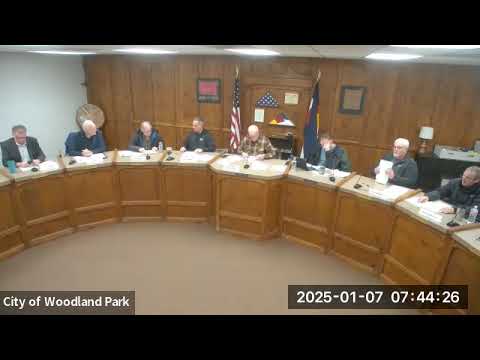
The Woodland Park Downtown Development Authority agreed by consensus to hold a public work session on the morning of Tuesday the 21st to finalize a microgrant program, directing staff and counsel to prepare a draft for board review and a vote in March.
The Woodland Park Downtown Development Authority board agreed by consensus to hold a public work session on the morning of Tuesday the 21st to finalize a proposed microgrant program and instructed staff and legal counsel to prepare a final draft for board review with the goal of opening applications by March.
Board members spent extended time reviewing a memo from authority counsel that laid out options for the program, including who may apply, whether the board will allow reimbursements for recently completed projects (a “look-back” period), how award decisions would be made and whether to set objective award criteria or allow discretionary amounts above $5,000.
Joshua, authority attorney, said the memo was intended to present options for the board to decide and then for counsel to “provide a final draft program that you would then review and vote on.” Board discussion focused on three questions Joshua and several members identified as priorities: the length of any look-back period for completed projects, whether application review should be by the full board or a smaller committee, and whether award amounts should be strictly objective or allow subjective discretion.
Several members said they preferred objective, checklist-style criteria to limit subjectivity and administrative burden; others warned against over‑bureaucratizing a “micro” program. Jerry Winter (board member) urged balancing oversight with simplicity so work can be verified without creating excessive paperwork. Joshua described implementation options: full-board review of every application or a committee that screens for completeness and recommends awards for a full-board vote.
The board reached a public consensus to hold a work session two weeks from the meeting to resolve those issues, with staff confirming room availability and that the session will be held in person. Members also directed that the board’s final document include posting/notice consistent with regular meeting practice, and that staff aim to post the program and accept applications on a timeline that would make a March deadline achievable.
Joshua and staff also said they will circulate a draft program in advance of the work session so members can come prepared to make decisions. The board emphasized avoiding any appearance of favoritism or nepotism in the award process and asked counsel to propose objective criteria and transparent review procedures.
The board did not take a formal roll-call vote; members recorded consensus in the meeting to schedule the work session and to move toward a March application period.