Get Full Government Meeting Transcripts, Videos, & Alerts Forever!
Get email alerts on the Attendance topic
No spam. Unsubscribe anytime.
Lawmakers briefed on absenteeism study proposal after DPI cites uneven reporting
Summary
DPI said districts code absences differently and supported a legislative study to map geographic and school‑level absenteeism spikes; Representative Richter is sponsoring a study bill (House Bill 1129).
Committee members discussed rising absenteeism and a study bill intended to identify where and why absences increased after the COVID period.
Superintendent Basler told the committee that districts currently code absences in different ways and that DPI cannot yet point to a single cause or region. "At this point, every school district is able to code their absentees differently," she said. She described a two‑year approach proposed in the bill: a first year of study and data collection to identify geographic or district patterns and model practices, and a second year focused on scaling exemplars and technical assistance.
Basler drew a distinction between chronic absenteeism—often rooted in transportation, caregiving or sustained family challenges—and broader increases in partial or temporary absenteeism that schools and principals attribute to changing family expectations and attitudes after the pandemic. Committee members said they had seen similar patterns in other states and emphasized the need to distinguish root causes before proposing remedies.
DPI and committee members cited Representative Richter’s draft study, filed as House Bill 1129, as the vehicle to gather consistent reporting and surface potential interventions.
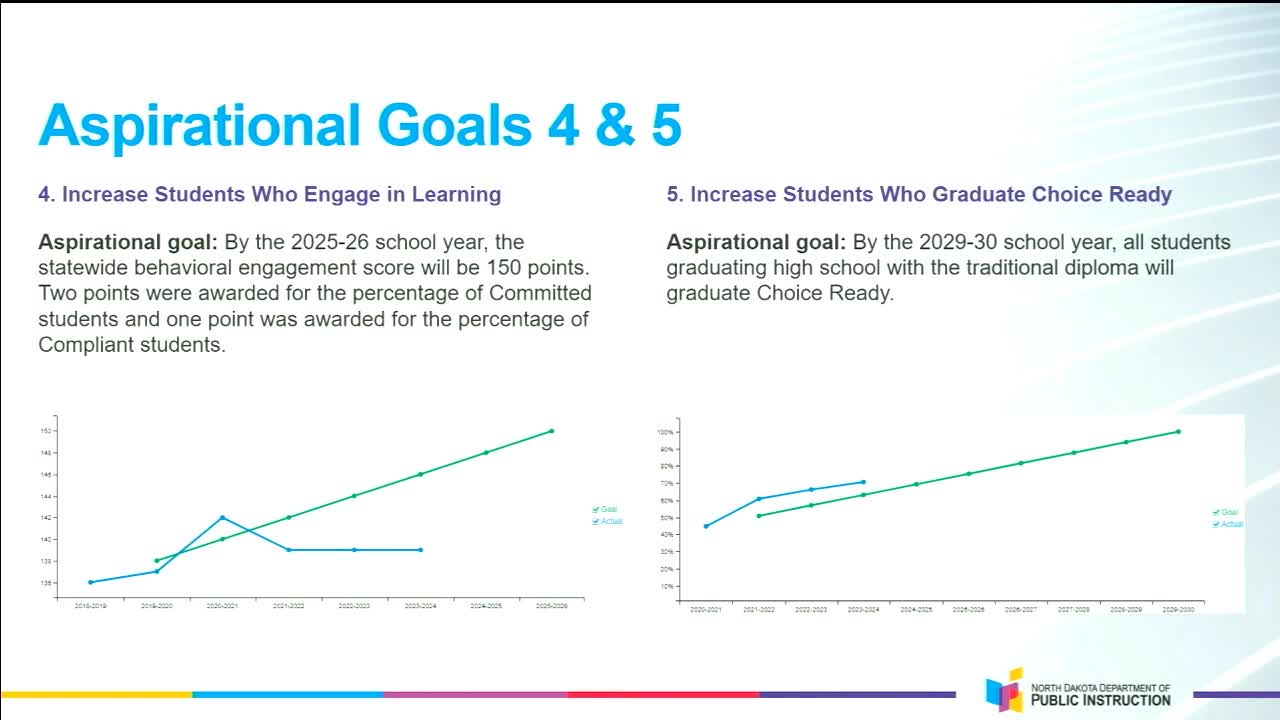
Why it matters: Chronic and increasing absenteeism affect engagement, learning gains and accountability measures. DPI told lawmakers the study would be the first step to identify where attendance problems are concentrated and which local practices have been effective.