Get Full Government Meeting Transcripts, Videos, & Alerts Forever!
Get email alerts on the Committee Procedures topic
No spam. Unsubscribe anytime.
House Taxation Committee sets proxy, amendment and testimony rules for session
Summary
On its first day, the House Taxation Committee unanimously approved allowing proxies, set proxy‑holding rules, established a 24‑hour amendment request window and a 2‑hour online testimony registration deadline, and clarified testimony decorum and folder procedures.
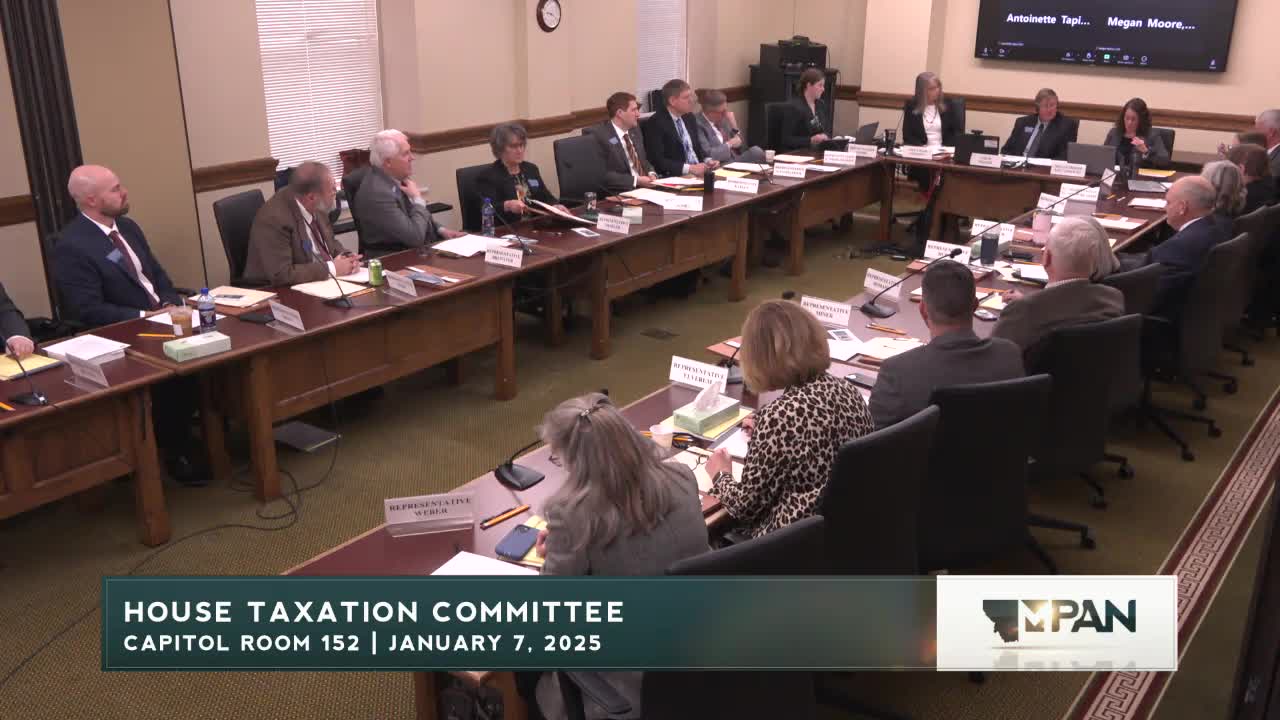
Chair Paul Fielder opened the first House Taxation committee meeting with procedural guidance and a security briefing from Sergeant at Arms John Kriski before the committee set rules for proxies, amendments, testimony registration and committee materials.
Representative Sherry Essman moved to allow proxies in the committee. The committee approved allowing proxies by voice vote; Representative Mark Thain then moved that vice chairs hold proxies by default unless a member designates another committee member. The committee approved that motion as well. The chair and vice chairs said proxy forms are available and should be filled out and given to the designated proxy holder.
Committee staff said members must request proposed amendments at least 24 hours before executive action so staff can draft and edit them. Megan Moore, the committee research analyst, said she reviews fiscal notes and drafts amendments and that staff cannot guarantee an amendment will be ready if it is not requested at least 24 hours in advance. The committee also confirmed that online witnesses must register to testify at least two hours before the hearing.
Chair Fielder outlined additional expectations: members should keep nameplates visible for cameras, maintain decorum by directing questions through the chair, and give full attention to in-person testimony; the brown committee folders on each desk hold bills and materials that staff will collect and safeguard between meetings. The committee scheduled bill hearings to begin at 9 a.m. most days and said it would expand to 8 a.m. when workload requires it. The committee recessed and planned bill hearings on House Bills 17, 20 and 25 later the same day.
The committee noted a practical snack fund tradition, discussed distribution of proxy forms, and emphasized that testimony is public record. The meeting closed with a reminder that amendments and fiscal notes must be in order before executive action.