Get Full Government Meeting Transcripts, Videos, & Alerts Forever!
Get email alerts on the Policy Updates topic
No spam. Unsubscribe anytime.
Committee updates transportation, concussion protocol and acceptable‑use policy drafts
Summary
The committee reviewed and approved revisions to the transportation policy and a substantially updated concussion protocol; it also reviewed a new acceptable-use policy for digital resources to return for further edits. Changes clarify eligibility, required reviews and data-protection expectations.
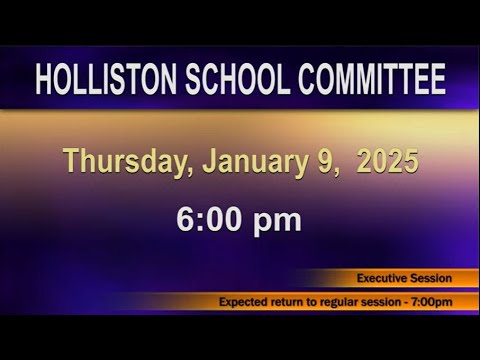
Holliston — The Holliston School Committee on Jan. 9 approved revisions to its transportation policy, reviewed an updated concussion protocol and took a first read on a new district acceptable‑use policy for digital resources.
Transportation policy: The administration presented proposed clarifying edits to student-transportation eligibility and bus-stop procedures. The revised policy ties eligibility guidelines to the district’s forthcoming transportation map (administration will create a map reflecting sidewalk and safety considerations), and replaces wishful phrasing about waiving bus fees when budget permits. The committee discussed removing a reference to an undefined “safety officer” and agreed to rely on consultation with the police department and district administration when designating or changing stops. The committee voted to approve the revised transportation student code language.
Concussion protocol (JJIF): The committee reviewed a substantially revised policy on head injuries, concussions and extracurricular athletic activities. The updated protocol expands the district protocol team (school administrator, nurse, school/team physician if on staff, athletic director/coordinator, licensed athletic trainer if available, neuropsychologist if available, guidance counselor and a teacher) and requires biennial review and physician approval for changes. The policy adds language emphasizing that relying solely on an athlete’s self‑report is inadequate and highlights the risk of prolonged post‑concussion syndrome if an athlete returns to play prematurely. The committee approved the revised concussion protocol language for adoption.
Acceptable use of digital resources (IJNDC/related): The district presented a new acceptable‑use policy that requires annual digital‑use agreements signed by students and parents, directs staff to use school‑issued accounts for student/guardian communication, and addresses emerging “enhanced technology tools” (for example large language models). The draft treats such tools as instructional resources subject to educator professional judgment and the district’s digital conduct codes. Committee members identified minor typos and asked administration to return with any final edits; the item was presented as a first read and no vote was taken.
Why it matters: Transportation policy affects daily student safety and access; concussion protocol governs student-athlete health and compliance with state guidance; the acceptable-use policy sets expectations for classroom and district technology use and for parental consent.
Next steps: Administration will finalize the digital resources policy edits and supply the transportation map for public posting; the concussion protocol team will meet at least every two years to affirm compliance and advise the administration of any required updates.