Get Full Government Meeting Transcripts, Videos, & Alerts Forever!
Get email alerts on the Education Funding Legislation topic
No spam. Unsubscribe anytime.
Board urged to back OSBA funding priorities as lawmakers weigh PERS and special‑education caps
Summary
District and regional leaders asked the board to join statewide advocacy on education funding, special‑education caps and accountability; speakers outlined $515M current‑service shortfall and a $600M PERS adjustment cited by OSBA/COSA.
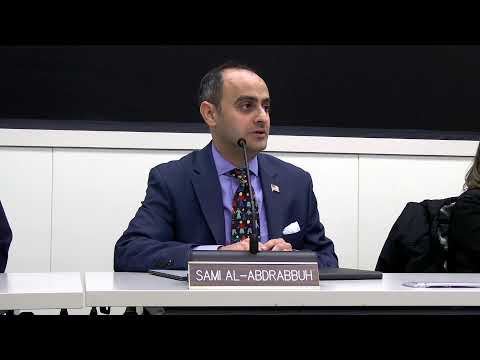
Sammy, the district board member who recently concluded service as president of the Oregon School Boards Association, updated the Corvallis School Board on Jan. 9 about OSBA’s legislative priorities and urged local advocacy ahead of the 2025 long session.
Sammy (board member and immediate past OSBA president) said OSBA is asking school boards and community members to tell local stories in Salem to support funding and policy priorities. “If you have not filled the member advocacy survey … please share which priorities you care about,” Sammy told trustees, describing outreach that OSBA will use to mobilize testimony to legislators.
Why it matters: board members were asked to help amplify district stories for funding requests that OSBA and the Coalition of Oregon School Administrators (COSA) say are needed to prevent cuts as the state rolls forward its biennial budget.
Funding and priorities described
- Current service level and PERS: Presenters cited two large figures used in statewide discussions: a roughly $515 million estimated increase to maintain current service levels and about $600 million to cover projected Public Employees Retirement System (PERS) rate increases. OSBA and COSA presenters said those are baseline estimates used to frame advocacy.
- Special education cap: The board heard that Oregon’s special‑education “double count” cap remains at 11% of enrollment for extra funding; presenters said many districts now report higher special‑education shares (district examples ranged as high as 15–20%) and OSBA is advocating raising the cap (presenters discussed moving toward a 15% threshold). Presenters said increasing the cap statewide would require several hundred million dollars (one presenter said the statewide difference between 11% and 15% was roughly $400 million).
- Other priorities: Presenters listed facilities grants and bond matching, summer learning funding, early‑literacy investments beyond K–3 and mental‑health services as priorities. Ryan, representing district leadership and speaking for COSA topics, emphasized that some federal funding (Title I, Medicaid reimbursements used for school mental‑health services) may decline and create additional pressure on state and local budgets.
Accountability and paperwork: Ryan and OSBA staff said accountability conversations are part of the session; the board was reminded the district submits many reports annually to state and federal agencies (presenters cited roughly 320 distinct reports) and asked trustees to consider the workload associated with new mandates.
Lincoln/“Riley” Act and immigrant students: Sammy flagged a federal proposal he identified in the meeting as the “Lincoln Riley Act” (reported as passed by the House and then moving to the Senate in the presenters’ remarks) and said the district should monitor potential impacts on undocumented students and on local sanctuary practices; trustees expressed concern and asked for continued reassurance to families.
What the board can do
Presenters asked trustees to complete OSBA’s advocacy survey, collect local stories about how funding affects students, and be prepared to contact legislators and testify on priority bills. OSBA staff said they would notify members of hearings and provide guidance for testimony.
Ending: Board members asked clarifying questions about the numbers and how state and federal funding changes would affect Corvallis. Presenters emphasized that local stories tied to specific budget requests make the advocacy more effective.