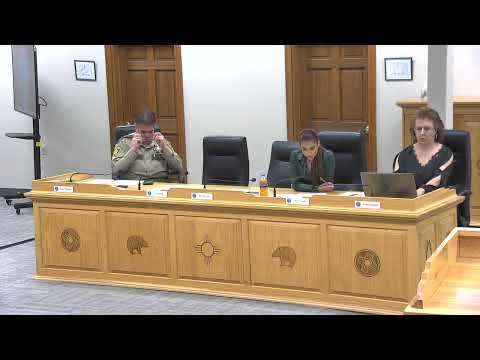
Grant County assessor outlines annual evaluation process, timelines and disclosure limits
Loading...
Summary
At the Jan. 9 Grant County Commission meeting, Assessor Misty Trujillo reviewed the county'wide 2024 property-tax evaluation process, explained notice and protest timelines, and flagged limits from New Mexico''s non-disclosure rules that complicate commercial and land valuations.
Grant County Assessor Misty Trujillo told the county commissioners on Jan. 9 that the state'conducted Property Tax Division evaluation is an annual review of assessor operations and not a financial audit.
"It's not an audit. An evaluation determines merit using standards and focuses on outcome and impact and refers to techniques and process," Trujillo said.
The presentation outlined the evaluation's main purposes: highlight accomplishments, recommend improvements and identify departmental deficiencies. Trujillo described the key calendar items that determine property-tax calculations: notices of value mailed April 1; a 30-day window to file protests; June 15 submittal of certified interim values to the state system; receipt of Division of Finance tax rates that are applied in September; and final abstracts and rollovers closer to the tax bill issuance in November.
Why it matters: the notice of value is the earliest, formal step that informs owners of the assessor'determined value for the year and triggers the statutory protest window. Trujillo warned that the April mailing is "not a tax bill" and that property owners who wish to contest their value must act within the 30-day protest period.
Trujillo described how protests are handled: each protested account is reassessed, new comps are developed and data entry is updated case by case. She cautioned that a protest can lead to changes in either direction; reassessment may reveal unrecorded structures or corrections that increase or decrease value. "When that document is sent out in April, you have 30 days to protest that value," she said.
A central recurring problem is New Mexico's current non-disclosure status for sale prices, Trujillo said. That lack of mandatory purchase-price reporting hampers efforts to build consistent land and commercial value schedules across the county. She said staff are mailing voluntary disclosure requests to recent purchasers and are working on a land study but that the person assigned to the study recently left.
Trujillo also reviewed common office duties and exemptions: business personal property filings and livestock returns (deadline Feb. 28, with a 5% penalty for late filings); exemptions and valuation-freeze rules for those 65 and older (application window Jan. 1'May 1; 2024 income threshold stated in her report) and veterans' exemptions. She emphasized that the assessor's office controls valuation only; tax rates are set by the state and can cause bills to rise even when assessed values remain constant.
Commissioners asked clarifying questions about the evaluation documents, how centrally assessed accounts are handled by Santa Fe, the volume and mix of protests (Trujillo estimated protests typically run around "about a 100 or more" in some years), and the office's reappraisal priorities for commercial and land values.
Ending: Trujillo said the assessor's office will continue work on deficiencies cited in the state evaluation, pursue disclosure where possible and assist property owners with exemptions and protests. She closed by inviting commissioners to request any supporting abstracts or reports she had provided by email.