Get Full Government Meeting Transcripts, Videos, & Alerts Forever!
Get email alerts on the Ineffective Assistance topic
No spam. Unsubscribe anytime.
Appellant argues trial counsel was ineffective for not retaining blood‑pattern expert; evidentiary hearing testimony deemed potentially outcome‑determinative
Summary
In Commonwealth v. Tompkins (24p26), defense counsel argued trial counsel’s failure to consult or call a blood‑stain pattern expert was manifestly unreasonable and prejudicial; the Commonwealth said trial strategy was reasonable and that the overall trial evidence would still support conviction.
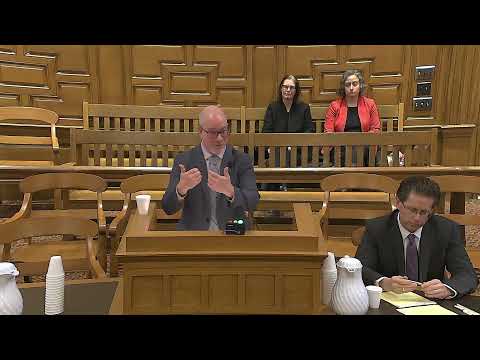
The panel heard argument in a long‑running appeal where the defendant, Daniel Tompkins, contends trial counsel was ineffective for failing to retain or present a blood‑stain pattern expert at his 2011 trial of charges arising from a violent single‑vehicle crash.
Stephen Gagne, for the Commonwealth, urged the court to defer to trial counsel’s strategic judgment, arguing counsel pursued a plausible defense theory that the blood evidence and other testimonial evidence did not require further expert support. Gagne emphasized that trial counsel had evidence — including testimony and physical‑evidence placement — that he concluded was sufficient to raise reasonable questions about who had been driving and that the decision not to pursue additional experts reflected a strategic choice.
Paul Rudolph, representing the defendant, said trial counsel had actual notice that blood‑pattern analysis was necessary and that counsel’s failure to consult and present such experts was not reasonable advocacy. Rudolph pointed to a pretrial letter from trial counsel indicating a blood‑pattern expert “would be better” and argued the later evidentiary hearing (on remand) produced testimony from two qualified blood‑pattern experts who opined that the complainant’s blood distribution was consistent with him being seated in the driver’s position at the conclusion of the crash — evidence that, Rudolph said, could have raised a reasonable doubt at trial.
The justices explored the distinction between whether counsel’s choice was a manifestly reasonable strategic decision and whether the later‑developed expert evidence created a substantial likelihood of a different outcome. The panel also discussed the procedural posture: this case had previously been remanded for an evidentiary hearing, and the motion judge — who also was the trial judge — issued findings that the new expert testimony could have been compelling to a juror.
The court took the arguments under advisement.