Get Full Government Meeting Transcripts, Videos, & Alerts Forever!
Get email alerts on the Prosecutorial Conduct topic
No spam. Unsubscribe anytime.
Defense urges reversal after prosecutor’s closing asked jurors to speculate on motive; Commonwealth counters
Summary
In Commonwealth v. Monsanto (23p1234), defense counsel argued prosecutors improperly shifted the burden in closing by posing rhetorical questions about the complainant’s motive to lie and misstating trial evidence about a bag’s color; the Commonwealth said its closing was grounded in the record and responded to defense attacks on credibility.
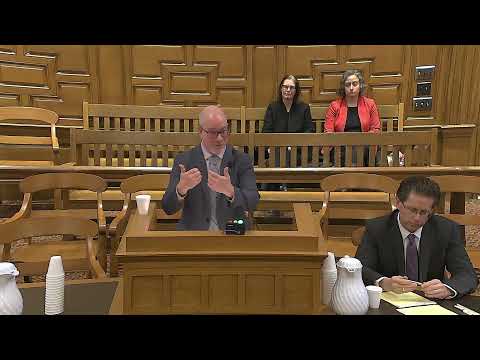
Jennifer Peterson, counsel for the defendant in the life‑felony case captioned Commonwealth v. Monsanto, told the appellate panel that the prosecutor’s closing argument went beyond permissible bounds and improperly shifted the burden of proof.
Peterson said the prosecutor asked jurors to speculate about why the alleged victim would lie (“Why would she make this up? What is she hoping to gain?”) and repeatedly posed rhetorical questions about motive, which she argued amounted to burden‑shifting and improper appeals to jurors’ sympathies and prejudices. Peterson also objected to references in the prosecutor’s closing to a “pink” Victoria’s Secret bag when the complainant had consistently testified the items were kept in a purple bag; she said the misstatement infected the central credibility contest in a case that turned largely on the complainant’s testimony.
The Commonwealth, represented at oral argument by Molly Paris, countered that prosecutors are allowed to respond to defense attacks on credibility and to ask jurors to use their common sense. Paris said the closing addressed inconsistencies raised by defense counsel about the complainant’s accounts, that the argument about motive was grounded in the evidence and trial testimony, and that detective testimony indicated a pink or purple bag had been recovered and that items consistent with makeup were admitted in evidence.
The justices explored whether any objections to rhetorical questions were properly preserved and discussed prior precedent on what prosecutors may say in closing when witness credibility is contested. The panel also asked whether any misstatements were cured by the trial judge’s curative instructions and whether the cumulative impact of the challenged remarks could constitute a miscarriage of justice requiring reversal.
Both sides asked the court to adopt their reading of the record; the panel took the matter under advisement.