Get Full Government Meeting Transcripts, Videos, & Alerts Forever!
Get email alerts on the Beekeeping Urban Agriculture topic
No spam. Unsubscribe anytime.
Council hears resident proposal to allow backyard beekeeping; staff to research ordinances and draft options
Summary
A resident urged the council to permit beekeeping in all residential districts; councilmembers asked staff for research and an ordinance draft with options on setbacks, hive limits and notification requirements rather than advancing immediate regulation.
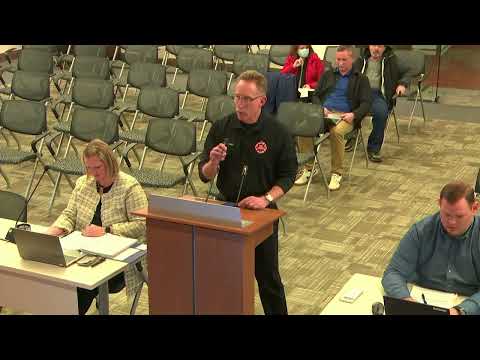
A resident, J.R. (JR) Witt, presented a proposal at the Jan. 6 Oak Creek Common Council meeting asking the council to consider allowing beekeeping in all residential districts. Witt described proposed rules (suggesting a maximum of three colonies per residential property, a 10-foot setback from property lines, prohibition from front yards, neighbor notification within 200 feet, and proof of beekeeping competency) and described benefits including pollination, honey and beeswax production, and neighbor engagement.
Witt told the council he and other residents had formed a local group and encouraged the city to adopt rules similar to those used in nearby municipalities. He noted some communities around Milwaukee County allow beekeeping while others do not; he recommended a permitting approach with annual renewal.
Staff said current Oak Creek municipal code allows beekeeping only in agricultural-zoned parcels and that the city’s agricultural standards allow one hive per acre. Community Development and other staff members said they have reviewed comparable ordinances from other municipalities in a prior internal memo and that staff could prepare a draft ordinance if the council directs them to do so.
Council discussion covered public-safety and nuisance concerns (allergic reactions, lot sizes, proximity to pools), enforcement and inspection burdens, and the desire among some members to preserve property-owner rights while protecting public safety. Several aldermen urged staff to compile sample ordinances from other municipalities, summarize parameters such as maximum hive counts and setbacks, and prepare an ordinance with multiple policy options for council and Plan Commission review rather than act immediately.
Outcome: No ordinance was adopted. Councilmembers asked staff to return with a proposed draft ordinance, comparables from nearby cities, and options tied to lot-size or zoning districts. Staff said they would keep regulation minimal to avoid burdensome annual inspections unless the council prefers a stricter regulatory model.