Get Full Government Meeting Transcripts, Videos, & Alerts Forever!
Get email alerts on the Behavioral Health Unfunded Mandates topic
No spam. Unsubscribe anytime.
Beltrami County tells legislators state must address behavioral health funding, unfunded mandates and opioid allocation cuts
Summary
County officials warned legislators that state rule and funding changes are driving mounting costs for behavioral health care, child protection and foster placements, and asked for continued or new funding and statutory fixes.
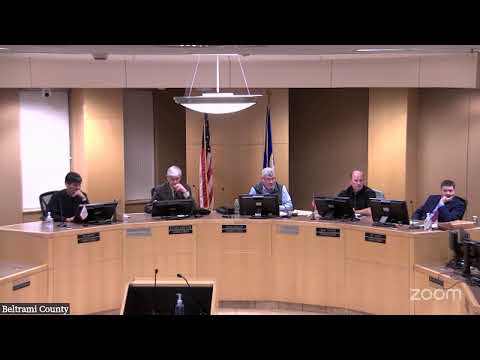
Beltrami County leaders pressed Minnesota lawmakers on Jan. 7 to pursue funding and statutory fixes for behavioral health services and other state changes the county says carry large, unfunded fiscal impacts.
County Administrator Tom Barry outlined multiple concerns, including the behavioral health continuum of care, a looming end to a temporary two‑year moratorium on county payments for state‑run direct care, and funding shifts that reduced opioid‑response dollars Beltrami had relied on for neonatal and youth services.
Barry recounted a case in which the county was billed nearly $340,000 for one individual after state facility placement problems. “We ended up with a bill of almost $340,000 for that 1 individual for 6 months,” Barry said. He said a legislative fix and prior temporary moratorium helped, but warned the moratorium is set to expire and the county wants the legislature to carry the fix forward.
The county also flagged the change from Rule 25 assessments to comprehensive assessments for substance use disorder treatment and said counties now may be financially responsible for eligible individuals while lacking decision‑making authority over care. Barry called this arrangement “a financial concern…that places a burden on the county.”
On a separate but related policy, Barry said the African American Family Preservation and Child Welfare Disproportionality Act imposes extraordinary, unfunded outreach and genealogical work that Beltrami estimates will cost the county more than $1.3 million. He said the Association of Minnesota Counties estimated statewide costs could reach $35–$40 million.
County officials also warned about a proposed change raising the age of criminality to 13, which would divert some children formerly sent to juvenile facilities into foster care. Barry said Beltrami lacks placement capacity and that the change would increase county placement and cost responsibilities.
Finally, Barry described a department funding formula change that reallocated opioid response dollars. He said Beltrami’s impact from formula changes was in the “$200 to $250,000” range for child protection opioid response allocation; later in the discussion officials referenced a specific $148,000 reduction the county had not budgeted for when developing its preliminary levy.
Sen. Steve Green and Reps. Matt Bliss and Bedell Duran listened and acknowledged the county’s fiscal concerns. Green urged coalition advocacy and suggested some mandates be rolled back if funding is not provided. “If you’re not going to give us the money, we can’t do the mandates,” he said.
County leaders asked legislators to keep behavioral health, placement cost‑share and opioid allocations on the legislative agenda and to consider funding or statutory remedies to mitigate county budget impacts.