Get Full Government Meeting Transcripts, Videos, & Alerts Forever!
Get email alerts on the Campground Use topic
No spam. Unsubscribe anytime.
Museum seeks conditional-use permit for small campground with cabins on Dodge Pond Road
Summary
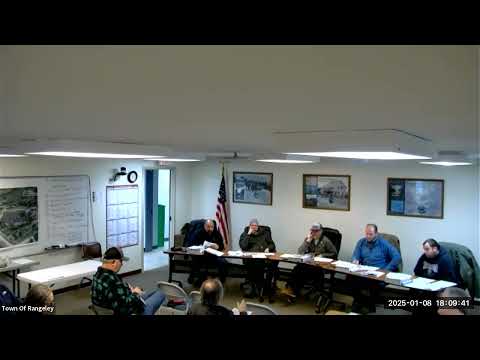
At a Rangeley planning-board public hearing, museum representatives described plans to add a small campground with up to six initial rental structures, a shared bathhouse and trail improvements; neighbors raised concerns about trails, property access and septic and fire safety.
Representatives for a museum property on Dodge Pond Road described plans at a Rangeley planning board public hearing to add a small campground with primitive, enclosed rental structures, a shared bathhouse and new septic capacity.
The presenters said they have state approval for a first-tier sanitary permit and building permits to construct bathrooms and a new septic system, and asked the board for a conditional-use approval to add the campground use. The project would start with a small number of rentals — the presenters said they hope to open with up to six cabins or small A-frame structures — and keep the use seasonal. The state tier system they cited allows for up to 24 sites if sanitation capacity and other requirements are met.
The museum representative said the plan also includes trail improvements funded in part by a Recreational Trails Program grant of $43,000 (an 80 percent grant, the presenter said, requiring roughly an $11,000 local match) that would pay for bridge and sign work with volunteers from the Appalachian Mountain Club. The presenter said one donated log cabin (about 25 by 15 feet) will be reconstructed on site and count as one rental; most structures were described as roughly 200 square feet with post foundations. Electricity extension to the sites was described as part of the plan, but presenters said there would be no year‑round hookups and no RV hookups.
Neighbors and other attendees raised multiple concerns during public comment. Several asked for a detailed site map showing cabin locations; one neighbor said grooming and trail work by a snowmobile club had occurred on parts of the property without permission, and asked whether existing informal trail access would change. Another neighbor asked whether a dock on an adjacent four-acre waterfront parcel would be used by campers; presenters said waterfront access, if offered later, would be discussed and would not be an immediate, approved part of the campground plan. Neighbors also pressed for details on septic capacity, fire safety (including campfire rules and what the fire department would require), stormwater/erosion controls for construction and how far apart the sites would be sited.
Board members and the presenter discussed several technical limits and uncertainties on the record. The presenter said the state has approved a "first tier" sanitation permit and that initial approvals requested only a small number of sites; they also said the existing septic had been sized to serve the museum plus up to 16 campers in one exchange during the discussion, while another speaker noted the state tier system allows up to 24 sites if additional conditions are met. The board and neighbors asked that conditions addressing fire safety, erosion control and detailed siting be specified as the project moves from conditional‑use approval to final building permits.
Presenters said parking would remain at the current museum lot and that guests would hike short paths to cabins; there would be no drive-up access to each cabin. The plan noted rules against excessive noise, and that use would be seasonal (winter use was not intended). The presenters also told the board they are not currently proposing public water to the cabins and that the bathhouse would provide shared sanitary facilities and showers.
The public hearing on the campground closed at the end of the comment period.