Get Full Government Meeting Transcripts, Videos, & Alerts Forever!
Get email alerts on the Public Safety Funding topic
No spam. Unsubscribe anytime.
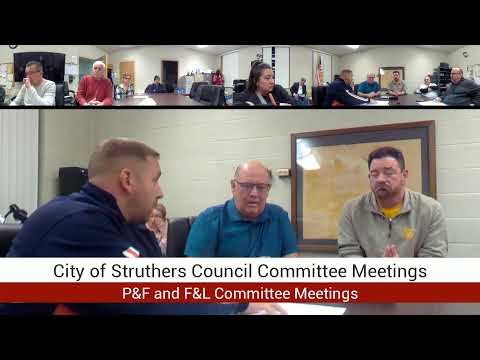
Struthers committee discusses 2.5‑mill levy to bolster fire, EMS and dispatch staffing
Summary
The Struthers City Council Police & Fire Committee discussed a proposed 2.5‑mill levy to add firefighters, paramedics and a full‑time dispatcher and to replace ambulances and equipment.
The Struthers City Council Police & Fire Committee discussed placing a proposed 2.5‑mill levy before voters to increase staffing and equipment for fire, emergency medical services and dispatching.
Committee chair Mister Beyas reopened discussion and said the city’s most pressing needs are additional fire personnel and medical staffing to improve ambulance coverage and reduce long ambulance hold times at hospitals. “What we really need desperately in the city is a couple more firemen and and, meds is what we need to put this on,” he said, and presented a proposed millage figure of 2.5 as an example.
Safety‑service director Mike (present at the meeting) and chiefs attending described operational strains: two used ambulances in service (one recently required about $24,000 in repairs), frequent overtime among part‑time dispatchers, and instances when ambulances are tied up at emergency rooms for extended periods. Chief speakers noted that part‑time per‑diem staffing limits availability and that grants have covered some needs but cannot address persistent staffing shortfalls.
The meeting included preliminary financial figures from committee members: Mister Beyas said the city would yield roughly $166,000 per mill (as stated in the meeting) and that a 2.5‑mill levy would produce about $400,000 a year; he said the cost to the “average household” (which the committee used a $100,000 house value to estimate) would be about $100.24 a year — “24¢ a day,” he said. Several members cautioned these numbers are preliminary and must be verified with the auditor and refined into a clear spending plan.
Possible uses discussed included hiring additional paramedics/firefighters, funding a full‑time dispatcher, purchasing a newer ambulance and replacing cardiac monitors (EKGs), and investing in camera systems (referred to in the meeting as “flock cameras”). Committee members emphasized voter transparency: they want a specific breakdown showing how levy proceeds would be allocated rather than a blanket “safety forces” fund.
Members discussed mutual‑aid realities with neighboring jurisdictions and private ambulance providers. Speakers said companies such as Lane and mutual aid from Poland and other neighboring services remain important partners and that any local levy would supplement — not necessarily replace — those resources.
No formal levy resolution or vote was taken. Committee members asked staff to develop a detailed cost analysis and to involve the city auditor to model different millage scenarios and allocation splits; they agreed the levy could be placed before voters if the numbers support it. Several members said renewal of a levy is easier than initiating a new tax and urged realistic, evidence‑based ask amounts.
Ending: The committee will direct staff to produce a detailed cost plan, including proposed allocations for personnel and equipment, and to return with auditor‑verified figures before deciding whether to place the levy on the ballot.