Get Full Government Meeting Transcripts, Videos, & Alerts Forever!
Get email alerts on the Land Use topic
No spam. Unsubscribe anytime.
Stony Arch subdivision homeowners press county on removal of an access easement; county says replat required
Summary
Property owners in the Stony Arch Estates subdivision asked the board to remove a recorded access easement between lots 10 and 11; county staff said removal will require a legal replat and survey and recommended parties explore mediation or a civil route if voluntary agreement is not reached.
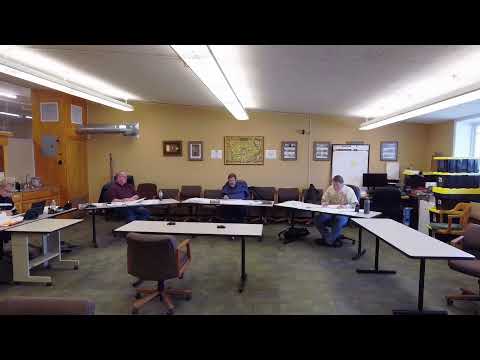
Homeowners from Stony Arch Estates urged the Benton County Board of Supervisors on Jan. 7 to remove a recorded access easement that crosses private laneway serving lots 10 and 11, saying they do not want heavy farm or equipment traffic on the private lane.
A resident representing the Homeowners Association described unsuccessful attempts to obtain a voluntary release from a neighboring landowner who holds the other end of the easement. The representative said the homeowners association voted unanimously to ask the county to remove the easement because the lane is narrow, was sold to buyers with the understanding the lane would be privately maintained, and would be costly to repair if farm equipment used it regularly.
County staff responding to the request explained that the recorded easement sits within a platted subdivision and therefore cannot be removed administratively; the legal mechanism to remove the easement is a replat of lots 10 and 11. A replat would require a survey, per-lot fees (the county cited a $250 per-lot fee), and review by the county and the city (the city retains review rights for subdivisions that cross jurisdictional boundaries). Staff recommended homeowners consult counsel and consider mediation with the easement holder before starting a replat because a court action or replat will carry costs and procedural steps.
Supervisors did not order removal; they advised the homeowners association to obtain cost estimates for a replat, explore a mediated settlement with the easement holder and, if necessary, return to county staff with a formal replat submittal.
Ending: County staff said the board could consider waivers for preliminary plat requirements in a replat application but reiterated that legal process, surveying costs and city review could make the operation time-consuming and potentially expensive for homeowners.