Get Full Government Meeting Transcripts, Videos, & Alerts Forever!
Get email alerts on the Student Health Emergency Response topic
No spam. Unsubscribe anytime.
Instructional subcommittee refers plan to add CPR and naloxone trainers to curriculum
Summary
The Fall River Instructional Subcommittee voted to refer a proposal to integrate CPR instruction with non‑functional nasal naloxone (Narcan) trainers into the health curriculum to the full committee for review.
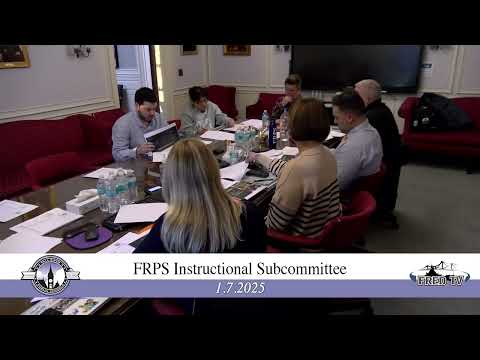
The Fall River City Instructional Subcommittee voted Jan. 7 to refer to the full school committee a proposal to integrate CPR training with non‑functional nasal naloxone (Narcan) trainers into the district health curriculum.
Members said the referral would let staff develop details on grade placement, materials and safeguards before returning for committee approval. The proposal, presented at the subcommittee meeting in the administration building, would initially pair Narcan trainers with existing CPR and overdose‑recognition instruction in the health sequence.
The presenter, identified in the meeting as Mister Fitz (staff member), said the district ran a training last year with the former police department and that local partners such as the Fort Worth Police Department and the Fort Worth Addiction and Support Team (FAST Team) had supplied overdose and naloxone information he used in preparing the packet. Fitz said trainers would be demonstration devices only and that no live naloxone would be administered during instruction: “This is just a trainer. The trainer…Nothing comes out of it.”
Fitz said the skills tie to the district’s skill‑based health courses and recommended starting the training at the 11th–12th grade level with an option to consider lowering the grade level after an initial rollout. He noted the district already teaches CPR and overdose recognition in Health 2 and showed supporting overdose statistics going back to 2018.
Committee members asked operational and scope questions: whether trainers are inert (they are), whether instruction could be offered to younger grades (the presenter said that could be discussed after the pilot), and whether staff or nurses would be the source of Narcan in an in‑school emergency (staff noted that school nurses and local public health remain responsible for clinical administration). Several members suggested adding EpiPen trainers and broader first‑aid familiarity to the curriculum discussion.
Following discussion, a member moved to refer the proposal to the full committee. The subcommittee recorded a roll call in which members on the record voted yes; the motion was approved for referral.
The referral asks staff to return with a more detailed implementation plan, including proposed grade level, sample lesson materials, sources of trainers, and clarifications about who would store and deploy clinical naloxone in an on‑campus emergency.
Next steps: staff will prepare materials for the full committee report that specify grade placement, how trainers will be used in class (mannequin demonstrations only), connections to existing Health 2 content, and any recommended parent notices or opt‑in/opt‑out procedures.