Get Full Government Meeting Transcripts, Videos, & Alerts Forever!
Get email alerts on the Parks Recreation Events topic
No spam. Unsubscribe anytime.
Parks & Rec leaders press for clearer role, community‑led events and funding options
Summary
Parks & Recreation members, council and residents debated whether Parks & Rec should focus on park maintenance or lead community events, discussed volunteer capacity, funding and Main Street-type models, and proposed ideas for River Park monetization and partnerships ahead of the borough's 300th anniversary.
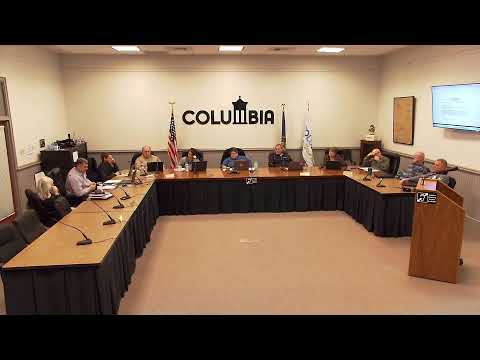
Parks & Recreation members, Planning Commission representatives and council spent much of the Jan. 7 workshop debating Parks & Rec’s mission, staffing needs and how the borough can better support community events.
Why it matters: Council must decide whether the borough will commit staff time or rely on volunteers and outside partners to run events. The decision will affect event frequency, marketing, liability and potential revenue from park activities.
Parks & Rec members said volunteers have restarted events but lack staff backing for permits, setup, vendor coordination and outreach. Parks member Liz said earlier efforts to revive events relied on personal funds and volunteer labor; she urged clearer borough policies and operational support if Parks & Rec will run community programming.
Some council members cautioned that park maintenance is a core borough obligation and said events require additional staff time and budget. One councilmember noted municipal budget constraints and asked whether the borough should prioritize maintenance over expansion of events if staff capacity is limited.
Parks members, council and other commenters suggested multiple approaches: (1) community-led events with Parks & Rec serving as the coordinating “hub” and marketing outlet, (2) partnerships with nonprofit Main Street-style organizations or Economic Development Corporation (EDC) to hire a manager who could coordinate events and marketing, and (3) targeted monetization such as modest fees for use of waterfront areas, coordinated food-truck concessions, festival partnerships, or event rentals. Several speakers noted examples (Main Street Lititz, regional programs) that used grant matching and a professional Main Street manager to pull multiple groups together.
For River Park/Columbia Crossing, council and Parks members discussed modest revenue ideas — vendor fees, timed rentals, or permit fees — and recognized limits because the borough does not control all rights at the site. Parks & Rec and heritage-area representatives agreed to coordinate on programming and fees.
Parks members also asked council to formally confirm whether Parks & Rec should prioritize events and outreach or focus on maintenance. Several suggested initial goals: community‑led events and better marketing (unified calendar and Facebook presence), and recruiting volunteers and school partners for summer programs. Council asked Parks & Rec to draft an operations plan describing staff support needed, expected timeline and potential costs.
Ending: Parks & Rec will draft an operations outline that defines event types, support requirements, and proposed use-fee models for parks; council asked staff to research Main Street and grant-match opportunities and to coordinate on the borough role in the planned 300th‑anniversary activities.