Get Full Government Meeting Transcripts, Videos, & Alerts Forever!
Get email alerts on the Local Economy topic
No spam. Unsubscribe anytime.
Committee frames economy chapter around jobs, Saddleback impact and forestry manufacturing potential
Summary
Members recommended recasting tourism as part of a broader outdoor-economy chapter, highlighting job creation tied to Saddleback reopening and opportunities to add local value in forestry processing and mass timber.
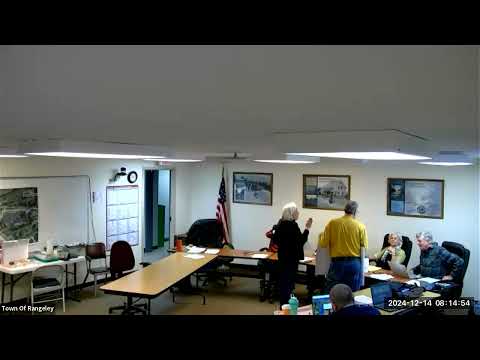
Rangeley’s Comprehensive Plan Committee spent substantial time on the draft economy chapter, urging authors to present tourism and outdoor recreation as one element of a broader economic strategy that includes construction, forestry and emerging manufacturing. Committee members said the top priorities for the chapter are job creation, tax‑base effects and measurable economic multipliers.
Why this matters: The committee said framing matters when the town later seeks state and federal grants. A clear account of how the outdoor economy, second‑home ownership and a revived resort multiply local spending will support grant applications and TIF or other incentive packaging.
Discussion highlights
• Saddleback’s local impact. Committee members argued that Saddleback’s reopening and expanded operations have been a material driver of local jobs and sales tax revenue. Chris (Comprehensive Plan Committee member) described the combined drivers for recent growth as “a trifecta — COVID, fiber, and the mountain,” and said economic language should show what increased visitation means for jobs in restaurants, retail and the construction trades.
• Broader industry mix. Members urged the plan to move beyond visitor counts and show how a major employer produces tertiary jobs — for example, suppliers, maintenance contractors and seasonal housing services — and to use available Maine state and regional data to back those claims. The committee noted recent building activity and called construction a growing sector in the town’s economy.
• Forestry and value‑added processing. Several committee members recommended the plan include explicit support for small‑scale forestry processing (sawmills, pellet production, value‑added timber milling and ‘mass timber’ manufacturing). The group said leaving a policy window open for timber value‑addition would align with state and federal climate‑and‑manufacturing funding opportunities and could help local contractors secure timbers for nearby construction projects.
• Presentation and language. Members suggested consolidating related state goals into a single “economy” chapter that covers tourism/visitation, outdoor recreation, agriculture and forestry rather than separating visitor‑economy items into a stand‑alone tourism chapter. They also recommended switching from the word “tourism” to “visitor economy” or “outdoor recreation” in places where the language implied only leisure travel.
Next steps: Committee members asked staff to incorporate dollar‑value and job‑multiplier references where possible (using state sources and the outdoor recreation data Jeff McKay’s office compiles), to revise the chapter title to encompass visitor and non‑visitor sectors, and to flag the chapter when the committee prepares the draft for public review so narrative tables and one‑page summaries can accompany technical appendices.