Get Full Government Meeting Transcripts, Videos, & Alerts Forever!
Get email alerts on the School Transportation topic
No spam. Unsubscribe anytime.
Board begins work on new bus contract as legislation shifts liability to contractors; lawmaker urges lowering driver age to 21
Summary
District staff warned the school board that new state law requires bus contractors to carry liability insurance naming the district as additional insured, and outlined fuel-indexing, infraction penalties and seat/mileage-rate issues for the contract the board must renew by June 30.
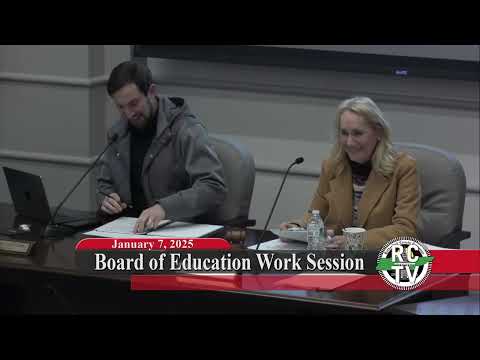
Rutherford County School Board staff opened the work session discussion of the district’s upcoming bus contract, outlining several contract items that will require attention before the current agreement expires June 30.
Staff said state law now requires bus contractors to purchase their own liability insurance; historically the county provided liability coverage. Under the statute discussed in the meeting, contractors’ policies must name the school system and county as additional insureds so that a contractor’s liability policy would also cover the district in the event of a crash or claim. Staff said they expect the new insurance requirement to add roughly $1.3 million in estimated costs to district-contractor expenses, and they will solicit market quotes to refine the estimate.
Other items staff listed for the new contract include the district’s existing diesel fuel index (which pays contractors an additional amount if fuel exceeds a threshold), consideration of fuel indexes for gasoline or propane, and a possible formal infraction/warning system that could lead to fines for repeated contractor failures (for example, repeated missed routes or failure to provide replacement buses or drivers). Staff also said seat and mileage rates (the per-seat and per-mile payments contractors receive) will be a central negotiation point; staff estimated that each 5% increase in contractor compensation would cost roughly $1.3–$1.4 million.
Staff said the district historically uses a four-year maximum term for bus contracts and expects to propose another multi-year arrangement; they also noted the county commission has in past years been briefed on multi-year contract commitments because the county funds the contract.
In public comment, Representative Mike Sparks spoke to the board about several transportation- and student-related topics. Sparks asked the board and contractors to consider lowering the minimum age for bus drivers from 25 to 21, citing staffing shortages and examples from other states that allow younger drivers. Sparks said he has discussed a mentorship program for new drivers, and he urged feedback on insurance and contract impacts. In remarks to the board, Sparks also raised separate but related topics: mental-health funding and early high-school graduation as ways to free seats in schools. Board members asked staff and contractors to weigh in on insurance pricing, contract-term implications for contractors’ financing of buses, and operational impacts of any compensation changes.
Why it matters: The change in statutory insurance responsibility shifts cost and administrative burden to private contractors; seat/mileage rate decisions and contract terms will affect contractor viability, driver pay and ultimately district transportation budgets. Representative Sparks’ legislative proposal to lower the driver-age minimum, if pursued at the state level, could change contractor hiring pools and influence contract negotiations.
What’s next: Staff invited bus contractors to present comments at a follow-up work session; the board agreed to recess and hold a separate session after the work session to hear contractor input. Staff said they will draft contract language reflecting the new insurance requirement and other proposed terms and return a draft to the board and contractors for review.